
MMRDA Launches Land Acquisition For Karnala-sai-chirner New Town Spanning 324 Sq Km Across 124 Villages As Third Mumbai Takes Shape

MMRDA Launches Land Acquisition for Karnala-Sai-Chirner New Town: 324 Sq Km, 124 Villages, ₹4,000 Crore Budget
The Mumbai Metropolitan Region Development Authority (MMRDA) has formally initiated land acquisition for the Karnala-Sai-Chirner (KSC) New Town, marking a critical milestone in the development of Mumbai's third urban node. The project spans 323.44 square kilometres across Uran, Panvel, and Pen talukas in Raigad district, encompassing 124 villages. Online consent forms from landowners went live on April 27, 2026, following a state government resolution dated March 16, 2026, that established the legal framework for acquisition, compensation, and land allocation. MMRDA Metropolitan Commissioner Sanjay Mukherjee emphasised that the initiative is rooted in "people-centric development," offering landowners multiple compensation options rather than a single one-time payment model. The project received ₹4,000 crore in the MMRDA's 2026-27 budget—the first surplus budget in nine years—with total infrastructure outlay reaching ₹48,072.5 crore, of which 87 percent is dedicated to infrastructure works.
What This Means for Homebuyers and Investors
For homebuyers, the launch of formal land acquisition signals that KSC New Town is transitioning from planning to execution phase. However, this is a long-term play. The master plan is scheduled for completion in August 2026, with on-ground infrastructure development beginning in 2026-27. Residential development and end-user livability are not expected until 2028-30 at the earliest. For investors with 7-10 year horizons, early plot purchases in villages like Khopta, Dronagiri, and Karjat represent potential wealth-building opportunities. Plot prices in Khopta have doubled since 2022, with entry tickets starting at ₹15-20 lakh for smaller parcels. Panvel and Ulwe, which are already livable and close to the Navi Mumbai International Airport, have seen appreciation of 28.94 percent and 12-16 percent respectively in the past year. For end-users seeking immediate livability, these adjacent areas are more practical than the deeper KSC core zones. Short-term buyers should focus on locations already connected by the Mumbai Trans Harbour Link (MTHL), which has reduced travel time from South Mumbai to the region to approximately 20 minutes.
Compensation Model: A Departure from Traditional Land Acquisition
The KSC project introduces an innovative hybrid compensation framework combining traditional acquisition with land pooling—a first for such a large Maharashtra project. Landowners have three primary compensation routes: monetary compensation under the Maharashtra Regional Planning and Town Planning Act, 1966 (determined through mutual agreement); developed land compensation (22.5 percent of their original holding returned as developed plots, following the CIDCO model used in Navi Mumbai); or a combination of both. This flexibility is intended to position landowners as "partners in development" rather than one-time sellers. MMRDA has also adopted the CIDCO funding model, which provides developed land rather than direct cash, reducing immediate financial strain on the authority. Additionally, the CIDCO betterment charge for NAINA (Navi Mumbai Airport Influence Notified Area) villages has been slashed from 50 percent to 0.05 percent—a 99.9 percent reduction—dramatically lowering the cost of plot allocation for future buyers.
Infrastructure Momentum Accelerating KSC Viability
The project's credibility rests on three operational infrastructure anchors. The Mumbai Trans Harbour Link (MTHL/Atal Setu), inaugurated in January 2024, has already carried over 80 lakh vehicles in 12 months, with daily traffic around 22,700 against a 70,000 vehicle capacity—indicating significant headroom for growth. The Navi Mumbai International Airport launched commercial flights on December 25, 2025, and scaled to 22,000+ daily passengers by April 2026, validating the region's economic potential. The Panvel-Karjat suburban rail line is over 50 percent complete. These three corridors form the backbone of KSC's accessibility story. CIDCO has cleared ₹6,000+ crore in infrastructure tenders—the first time in twelve years—for roads, drainage, electricity, and water across NAINA villages. Six villages (Karnala-Tara, Barapada, Dighati, Sai, Kasarbhat, Dolghar) already have sanctioned development plans, indicating that some areas will see faster activation than others.
Investor Interest and Global Capital
The project has attracted significant institutional backing. In January 2025, Blackstone Group announced plans to invest up to $11 billion in Maharashtra over 3-5 years, with $5 billion specifically earmarked for Third Mumbai projects, focusing on data centres, commercial zones, infrastructure, and smart-city models. South Korea has also signed a tie-up with MMRDA for smart infrastructure planning and urban innovation across the KSC region. These commitments validate the project's long-term viability, though execution risk remains. Plot inquiry volumes in Khopta have risen 47 percent in the past six months, driven by both the betterment charge cut and visible MMRDA timelines. However, this is still a land-play market, not an end-user market—rental or resale activity is virtually non-existent.
Critical Risks and Realistic Timelines
Buyers and investors must acknowledge execution risks. While policy frameworks are now in place, actual infrastructure delivery depends on timely completion of metro lines, expressways, and utility networks. The master plan finalisation in August 2026 is a planning milestone, not a guarantee of rapid development. Implementation will roll out 2026-2028, with meaningful livability arriving 2028-30 for NAINA core areas and 2030+ for deeper zones like Khopta. Approximately 50 percent of the notified land comprises hills, forests, and agricultural zones that must be conserved, reducing developable area and potentially slowing project pace. The Karnala Bird Sanctuary and other ecological zones will remain protected even as surrounding areas urbanise. For buyers, this means that a 90-minute commute today will remain a 90-minute commute in 2030 unless infrastructure projects are both committed and have credible delivery dates. Over-reliance on speculative timelines has burned investors in similar "future Mumbai" projects over the past decade.
Comparable Locations and Investment Ladder
Panvel: Already livable, 20-minute MTHL access to South Mumbai, rental demand strong. Rates up 28.94 percent YoY. Best for end-users and rental investors with 3-5 year ROI horizons.
Ulwe: Premium pricing, adjacent to NMIA terminal road network, strong rental spillover from Kharghar. Rates up 12-16 percent since NMIA clearance. Fully livable today.
Kharghar Sectors 34-40 and Pendhar/Rohinjan: Pricing reset by the Belapur–Pendhar metro stretch (operational since September 2025). Now price closer to core Kharghar. Mid-segment, underrated, strong rental demand.
Taloja Phase 2: Mid-term play (3-5 years). Infrastructure will mature over this period. Transport pain today, transport gain by 2028 with metro extension and Kharghar-Turbhe tunnel.
Khopta Township: Deepest land play. Covers 9,394 hectares across 32 villages (25 from Uran taluka, 7 from Panvel taluka). Master plan August 2026, infrastructure builds 2026-27. Only for long-horizon plot investors with 7-10 year cash-lock tolerance. Entry tickets ₹15-20 lakh for smaller plots; prices have doubled since 2022.
What This Project Likely Becomes
Based on MMRDA's portfolio and the KSC master plan framework, the project will likely develop as a mixed-use urban hub spanning 323 square kilometres. Initial phases (2026-2028) will focus on NAINA core villages—Karnala-Tara, Sai, Barapada, Kasarbhat—where sanctioned development plans already exist. These zones will likely see mid-segment residential projects (2-3 BHK apartments in the ₹60-90 lakh range), commercial zones, and logistics hubs capitalising on JNPT and airport proximity. Secondary phases (2028-2030) will expand to Panvel, Chirner, and Karjat talukas, attracting premium housing, IT parks, and data centres. The deepest zones—Khopta, Dronagiri, Pen—will remain plot-investor territory through 2030, with pricing likely in the ₹2,500-4,500 per sq metre range for raw land, appreciating to ₹8,000-12,000+ as infrastructure matures. MMRDA's target is to foster a "polycentric" Mumbai Metropolitan Region with each node having distinct economic character: Mumbai for finance/services, Navi Mumbai for manufacturing/logistics, and KSC for data centres, IT, and knowledge industries. Expect the first residential launches from major developers (DLF, Godrej, Oberoi, Lodha) in late 2027 or early 2028, priced at a 15-25 percent discount to comparable Navi Mumbai projects to incentivise early adoption.
Future-Buyer FAQ
Q: When will residential projects launch in KSC New Town?
Expected first launches: late 2027 or early 2028, starting in NAINA core villages (Sai, Karnala-Tara, Barapada). Deeper zones (Khopta, Dronagiri) will see launches 2029-2030. Master plan finalisation in August 2026 will clarify exact timelines and zone-wise development sequence.
Q: What price range should I expect for residential projects?
Mid-segment projects in NAINA core: ₹60-90 lakh for 2-3 BHK apartments (2028-2030 launch window). Premium projects in Panvel-adjacent zones: ₹1.2-1.8 crore. Plot prices in Khopta and Dronagiri: ₹2,500-4,500 per sq metre today, likely rising to ₹8,000-12,000+ by 2030-32 as infrastructure matures. Pricing will be 15-25 percent lower than comparable Navi Mumbai projects to attract early buyers.
Q: Should I buy a plot now or wait for residential launches?
If your horizon is 7-10 years and you have cash available for long-term lock-in, early plot purchases in Khopta offer the cleanest appreciation play. If your horizon is 3-5 years and you want livability + rental income, buy in Panvel, Ulwe, or Kharghar Sectors 34-40 today—these are already connected and generating returns. For end-users seeking primary residence, wait for 2028-29 launches in NAINA core or stick to already-livable Panvel/Ulwe.
Q: What are the key risks I should monitor?
Execution risk on infrastructure timelines (metro, expressway, utilities). Environmental conservation requirements (Karnala Bird Sanctuary, forest zones) may slow development. Landowner consent and acquisition pace—if consent rates drop below 70-80 percent, project phasing will be delayed. Global capital commitment from Blackstone and South Korea is strong, but geopolitical or economic shocks could alter investment appetite. Monitor MMRDA's quarterly progress reports and CIDCO tender completions.
Q: How does KSC compare to Navi Mumbai's early days?
KSC is larger (323 sq km vs Navi Mumbai's ~350 sq km across multiple nodes) but slower to activate. Navi Mumbai had CIDCO's execution track record; KSC relies on MMRDA, which is newer to large-scale greenfield development. However, KSC has better infrastructure anchors (MTHL, NMIA, bullet train corridor) than Navi Mumbai had at equivalent stages. If MMRDA executes on its 2026-27 budget and master plan, KSC could replicate Navi Mumbai's 15-20 year wealth-creation story for early land investors—but the timeline is longer and execution risk is higher.
What to Expect Next
May-June 2026: MMRDA processes landowner consent forms submitted from April 27. Public notification of final land acquisition list expected. Drone and LiDAR surveys continue across all 124 villages.
August 2026: Master plan finalisation—GIS-based maps, detailed development strategy, and zone-wise allocation published. This will clarify phase-wise development, infrastructure sequencing, and pricing benchmarks.
September 2026-March 2027: CIDCO tender mobilisation begins for core NAINA villages. Main road and utility network construction starts. First visible on-ground activity in Karnala-Tara, Sai, Barapada, Kasarbhat.
2027-2028: First developer announcements for residential and commercial projects. RERA filings expected. Pre-launch marketing begins. Panvel-Karjat metro extension reaches advanced stages.
Late 2027-Early 2028: First residential and commercial project launches. Early-bird pricing and booking campaigns.
Questions & Answers (1)
Terms & Conditions — Q&A
By submitting a question on RealtyPromoo, you agree to these terms:
1. Content Policy
- Your question must be a genuine real estate query.
- No abusive, defamatory, or promotional content.
- No personal contact info, broker referrals, or spam.
- Questions are reviewed by AI and may be edited for clarity, grammar, or politeness before publication.
2. Publication
- Your first name + last initial (e.g., "Rahul S.") will be displayed publicly with the answer.
- Your full name, phone number, and email are never displayed publicly.
- Once published, your question and answer become part of RealtyPromoo's content.
3. Phone & Email
- Your phone number is required so our team can share the answer with you on WhatsApp and assist with your query.
- Your phone number and email are stored securely and may be used by RealtyPromoo or its sales team to contact you regarding your query or related properties.
4. Answer Accuracy
- Answers are generated by AI based on publicly available information and the page context.
- Answers are informational only — not financial, legal, or investment advice.
- Always verify pricing, RERA status, and possession dates with the developer before any transaction.
- RealtyPromoo is not liable for decisions made based on AI-generated answers.
5. Pre-RERA / Pre-Launch Projects
- Some listed projects are pre-RERA / pre-launch. These listings are informational only.
- No booking, sale, or agreement is permitted before RERA registration.
- "Express Your Interest" forms collect contact details for future communication, not advance bookings.
6. Moderation
- RealtyPromoo reserves the right to delete, edit, or refuse to publish any question or answer.
7. Privacy
- Your data is handled per our Privacy Policy.
8. Jurisdiction
- These terms are governed by the laws of India.
- Disputes are subject to the courts of Noida, Uttar Pradesh.
-
Q. What if we don't provide initial consent?A.
Under Maharashtra's land acquisition process, initial consent is typically sought from landowners as part of a Social Impact Assessment or preliminary notification stage. If you withhold consent, it does not automatically block the acquisition. MMRDA, being a statutory authority, can proceed under the Right to Fair Compensation and Transparency in Land Acquisition, Rehabilitation and Resettlement Act, 2013 (LARR Act). However, there are protections — you are entitled to fair compensation, and in some categories, 70–80% consent of affected families is required before proceeding. Withholding consent may delay the process and can strengthen your negotiating position for better compensation. We strongly recommend consulting a property lawyer familiar with Maharashtra land acquisition law to understand your specific rights based on your land category and village notification status.
Questions & Answers
This article was drafted by Aditya Verma, Senior Property Analyst (Freelancer) with research support from artificial intelligence. AI assisted in gathering and summarizing information from primary news sources and official statements, and the final content was reviewed by our editor before publishing. News pages are timestamped at the time of writing and are not updated after publication.
Sources consulted: Primary press releases & company statements · Tier-1 business news (Economic Times, Livemint, Moneycontrol, Business Standard) · BSE / NSE corporate disclosures · Government notifications · State RERA filings (where relevant).
Published: 19 May 2026 · Spot an error? Let us know
Projects mentioned in this article
 New Launch
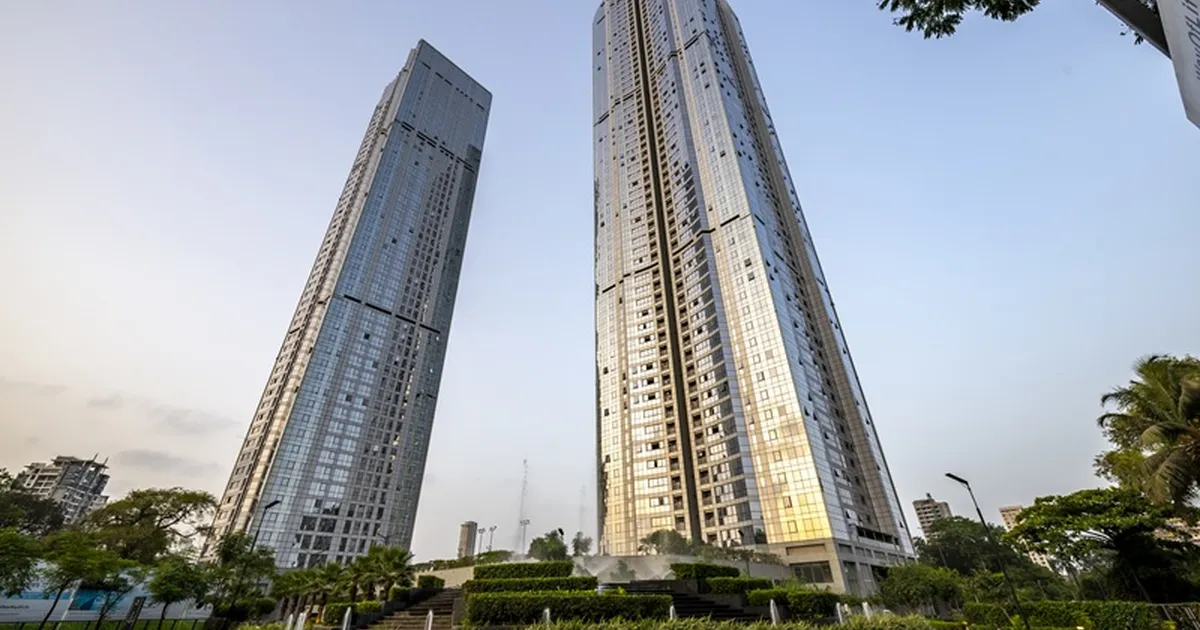
Bombay Realty Three ICC Dadar Mumbai
by Bombay Realty (bombay Dyeing — Wadia Group)
One ICC & Two ICC delivered · Three ICC Wing A new launch · Wings B & C upcoming
Dadar East, Island City Center, Mumbai
₹5.75 Cr - ₹30 Cr
3 BHK, 4 BHK, 4.5 BHK, 5 BHK
 Upcoming
Prestige Mumbai 6-acre Land Parcel Upcoming Project
by Prestige Group
Versova, Andheri West, Mumbai
Price on Request
Premium Residential (BHK mix TBA)
Related News
 News
News
Prestige Group Targets ₹36,000 Crore Pre-Sales In Fy27 With ₹60,000 Crore Launch Pipeline As Cmd Irfan Razack Sets Out Multi-City Expansion Strategy For Fy27
Prestige Group targets ₹36,000 crore pre-sales in FY27 with 15-20% growth. CMD Irfan Razack announces ₹60,000 crore launch pipeline across Bengaluru...
 News
News
Prestige Group Targets Record ₹36,000 Crore Pre-Sales In Fy27 With ₹60,000 Crore Launch Pipeline Across Bengaluru Mumbai And Delhi-NCR As Cmd Irfan Razack Outlines Growth Strategy
Prestige Group targets record ₹36,000 crore pre-sales in FY27 with ₹60,000 crore launch pipeline across Bengaluru, Mumbai, Delhi-NCR. CMD Irfan Razack...
 News
News
Sattva Group Launches First Mumbai Residential Project 'Sattva Sumera' In Parel With ₹5,500 Crore Revenue Potential Marking Developer's Entry Into Mumbai Market
Sattva Sumera marks Sattva Group's Mumbai entry: ₹5,500 crore GDV, 2-acre Parel redevelopment, twin towers, 500+ units, 2/3 BHK homes. RERA expected Q3 2026.
 News
News
Godrej Properties Acquires 26.58-Acre Land Parcel In Ashok Vihar Delhi From Railway Land Development Authority For ₹1,359 Crore Marking One Of India's Largest Urban Land Transactions
Godrej Properties acquires 26.58-acre Railway Land plot in Ashok Vihar, Delhi for ₹1,359 crore. Luxury project with 3.28M sq ft potential, launching 2026...
 News
News
Sanjeevini Group Launches The Adwaith Luxury Residential Project In Gunjur East Bengaluru Targeting ₹1,200 Crore Revenue With 668 Units Across 8.3 Acres
Sanjeevini Group launches The Adwaith in Gunjur, East Bengaluru: 668 luxury units across 8.3 acres, ₹1.7 crore+, RERA-registered, 30-month delivery timeline.
 News
News
Crest Ventures Signs Joint Development Agreement With Vensco Group For ₹1,850 Crore Luxury Mixed-Use Residential Project Crest Golfshire On Golf Course Road Chembur Mumbai
Crest Ventures signs JDA with Vensco Group for Crest Golfshire—₹1,850 crore luxury mixed-use project opposite Bombay Presidency Golf Course in Chembur. 3/4...
 News
News
Shapoorji Pallonji Launches Nine Arcs Premium 14-Storey Residential Project In Santacruz East Mumbai Targeting Mid-Luxury Western Suburbs Buyers
Nine Arcs by Shapoorji Pallonji: 14-storey premium tower in Santacruz East, Mumbai. 137 units, 2-3 BHK, ₹2.99 crore+. Possession Dec 2029. Design-first...
 News
News
Maharashtra Government Advances Mumbai Water Metro Project To Expand Urban Water Transport Network Across Mumbai Metropolitan Region Impacting Waterfront And Harbour-Adjacent Real Estate
Maharashtra advances Water Metro project with 45 terminals across MMR by 2036. Impact on Worli, Bandra, Versova, Navi Mumbai real estate prices and waterfront...
 News
News
Mumbai Water Metro Project Approved To Reduce Congestion Across Mumbai Metropolitan Region With Water Transport Network Expansion Boosting Waterfront Real Estate Values
Maharashtra approves ₹6,067 crore Mumbai Water Metro Project on March 17, 2026. Phase 1 includes 16 routes, 26 terminals across MMR. Impact on Bandra, Worli...
 News
News
Goregaon-Mulund Link Road Nears Completion Boosting East-West Connectivity In Mumbai And Driving Property Demand In Goregaon Bhandup And Mulund Corridors
Goregaon-Mulund Link Road first flyover set to open May 2026. Full Rs 14,000 crore corridor completion delayed to 2028–2029. Impact on property prices in...
 News
News
Prestige Group Acquires 28-Acre Land Parcel In Tellapur West Hyderabad As Part Of 102-Acre Multi-City Q1 Fy26 Land Banking Drive Worth Rs 20,400 Crore GDV
Prestige Group acquires a 28-acre land parcel in Tellapur, West Hyderabad, as part of its Q1 FY26 expansion. Analysis on project impact and future for...
 News
News
Sewri-Worli Elevated Connector 4.5-Km Project Links Mumbai Trans Harbour Link To Western Coastal Road Network Driving Real Estate Demand In Wadala Parel And Worli Micro-Markets
Analysis of the 4.5-km Sewri-Worli Connector's impact on property prices in Wadala, Parel, and Worli. How the MTHL link is driving real estate demand in 2026.
 News
News
Birla Estates Signs Joint Development Agreement For Luxury Residential Project In Malabar Hill Mumbai Marking Entry Into South Mumbai Ultra-Luxury Segment
Birla Estates has signed a joint development agreement for a boutique residential project in Malabar Hill, marking its entry into South Mumbai's exclusive...
 News
News
Godrej Properties Acquires 16-Acre Land Parcel In Kolkata And Gurugram For ₹1,300 Crore To Build Premium Housing Projects Marking Simultaneous Dual-City Expansion In March 2026
Godrej Properties acquires 11.36 acres in Gurugram Sector 63A and 5 acres in Kolkata EM Bypass for ₹1,325 crore. Expected ₹6,150 crore revenue. Launch...
 News
News
Godrej Properties Acquires 8.5-Acre Land Parcel In Mahalunge Pune For ₹2,000 Crore Group Housing Project On Hinjewadi-Balewadi Corridor
Godrej Properties acquires 8.5-acre Mahalunge land for ₹2,000 crore group housing project. Expected launch 2027, 2.1M sq ft development. Details, pricing...
 News
News
Prestige Group Acquires 30-Plus Acre Land Parcel At KIADB Aerospace Park Phase 2 Bengaluru For Large-Scale Residential Development
Prestige Group acquires 30-acre land parcel at KIADB Aerospace Park Phase 2 in North Bengaluru. Expected launch 2027, mixed-use residential township with...
 News
News
Lodha Developers Acquires 12 Land Parcels In Fy26 Across MMR Bengaluru And Delhi-NCR With Rs 60000 Crore GDV And Plans To Cut Land Spend In Fy27 To Boost Free Cash Flow
Lodha Developers acquired 12 land parcels worth ₹60,000 crore GDV in FY26 across MMR, Bengaluru, and Delhi-NCR. Company now cuts land spend to boost free...
 News
News
Prestige Estates Acquires 37-acre Land Parcel In Pulimamidi Hyderabad For Large-scale Residential Development As Part Of 102-acre Multi-city Land Buying Spree
Prestige Estates acquires 37 acres in Pulimamidi, Hyderabad as part of 102-acre multi-city land spree with ₹20,400 crore GDV. New residential project...
 News
News
Homeland Group And VRC Acquire Two Prime Mohali Land Parcels Worth ₹1,000 Crore In GMADA E-auction Setting New Land Price Records For Tricity
Homeland Group & VRC secure two prime Mohali land parcels (5.5 acres + 13 acres) for ₹1,000 crore in GMADA e-auction, setting Tricity land price records...
 News
News
Godrej Properties Acquires Land In Kharghar Navi Mumbai For Premium Residential Project Worth Over ₹1,500 Crore
Godrej Properties completes ₹716.58 crore acquisition of 6.54 acres in Kharghar, Navi Mumbai. Premium 2-3 BHK project with ₹3,500 crore revenue potential...
 News
News
Prestige Group Acquires 25-acre Land In Chennai's Medavakkam For ₹5,000 Crore Residential Development
Prestige Group acquires 25-acre land in Chennai's Medavakkam for ₹5,000 crore residential development. Expected launch 2026-27, possession by Dec 2028...
 News
News
Shriram Properties Acquires Second 4-acre Land Parcel On Sarjapur Main Road South-east Bengaluru For ₹550–600 Crore Premium High-rise Project In 2026
Shriram Properties acquires 4-acre Sarjapur Main Road land for ₹550–600 crore premium high-rise project launching Q4 2026. Expected 2–3 BHK luxury...
 News
News
Brigade Group Acquires Land In Hoskote For ₹5,200 Cr Mixed-use Project
Brigade Group acquires 20.19-acre Whitefield-Hoskote land for ₹588 crore to develop ₹5,200 crore mixed-use township with 4.2M sq ft residential, office...
 News
News
Mumbai: Suraj Estate Developers Acquires Land For ₹18 Cr In Dadar West
Suraj Estate Developers acquires Dadar West land for ₹18 crore with ₹100 crore GDV redevelopment potential. Expected launch Q4 2026-27 in premium...
 News
News
Shriram Properties Acquires 4-acre Land On Sarjapur Main Road South-east Bengaluru For ₹550–600 Crore Premium High-rise Residential Project
Shriram Properties acquires 4-acre land on Sarjapur Main Road for ₹550-600 crore premium high-rise residential project launching late 2026. Pricing...
 News
News
Agarwal Group Acquires Land In Super Corridor Indore For Luxury Residential Township Project
UPDATE: This project is now live — View Puravankara Bengaluru 53-acre Township Upcoming Project Full Details →I'll search for this news about Agarwal...
 News
News
L&t Realty Acquires 100 Percent Stake In International Green Scapes To Secure 20-acre Gurugram Land Parcel For ₹1,123 Crore Residential Project
L&T Realty acquires 100% stake in International Green Scapes for ₹1,123 crore, securing 20 acres in Gurugram's Sectors 81-86. Project to offer 3.6 million sq...
 News
News
L&t Realty Acquires 100 Percent Stake In International Green Scapes To Secure 20-acre Gurugram Land Parcel
L&T Realty enters NCR market with ₹1,123 crore acquisition of 20-acre Gurugram land parcel offering 3.6 million sq ft development potential for luxury...
 News
News
Sunteck Realty Buys 2-acre Andheri East Land Parcel With ₹2,500 Crore GDV Near Mumbai Airport
Sunteck Realty acquires 2-acre Andheri East land with ₹2,500 crore GDV near Mumbai International Airport. Third FY26 acquisition. Launch expected 2026.
 News
News
Sunteck Realty Announces First Phase Launch Of ₹3,000 Crore Ultra-luxury Residential Project In Goregaon West Mumbai
Sunteck Realty launches ₹3,000 crore ultra-luxury project in Goregaon West with 225 apartments at ₹36,000/sqft. First phase ₹1,250 crore. Designed by...
 News
News
Oberoi Realty Signs Development Agreement To Redevelop 1,740 SQM Land Parcel In Malabar Hill, South Mumbai
Oberoi Realty signs development agreement for 1,740 sqm Malabar Hill redevelopment in South Mumbai. Expected launch 2027–28, ~51,000 sqft free-sale, premium...
 News
News
Oberoi Realty Wins ₹5,400 Crore Bid For 11-acre Railway Land In Bandra East, Mumbai On 99-year RLDA Lease
Oberoi Realty won highest bid of ₹5,400 crore for 11-acre RLDA railway land in Bandra East, Mumbai. 99-year lease. 19.50 lakh sq ft development potential...
 News
News
Raymond Realty Signs Joint Development Agreement For ₹3,000 Crore Residential Project In Kandivali, Mumbai
Raymond Realty signs ₹3,000 crore residential joint development in Kandivali, Mumbai on March 9, 2026. Total GDV now ₹43,000 crore. Impact on buyers.
 News
News
L&t Realty Acquires Land Rights For 1.34‑acre Plot At Elphinstone Road, Mumbai For ₹448.6 crore
L&T Realty acquired 1.34 acre at Elphinstone Road (Lower Parel) on Jan 9, 2026 for ₹448.6 Cr through cash plus area‑share, planning a 28‑storey...
 News
News
Puravankara Plans 30 New Housing Project Launches In Fy27 Across Bengaluru Mumbai And Pune As Developer Accelerates National Expansion After Record Fy26 Pre-Sales
Puravankara announces 30 new housing project launches in FY27 across Bengaluru, Mumbai, Pune, and other cities, backed by record ₹7,407 crore FY26 pre-sales...
 News
News
Bengaluru Peripheral Ring Road Phase 2 Tender Floated Connecting Hosur Road To Sarjapur Road Completing Orbital Highway And Boosting South-East Bengaluru Real Estate
Bengaluru Business Corridor Phase 1 tender floated March 2026: ₹3,348 crore, 19.8 km Tumakuru-Bellary Road. HUDCO-funded. Real estate impact on Sarjapur...
 News
News
Prestige Group Targets ₹36,000 Crore Pre-Sales In Fy27 And Plans 43 New Project Launches As Cmd Irfan Razack Warns Of Hyderabad Oversupply While Expanding Into Six Cities
Prestige Estates aims for ₹36,000 crore pre-sales in FY27 with 20% growth. CMD Irfan Razack warns of Hyderabad oversupply while expanding to Mumbai...
 News
News
DLF Midtown Plaza Opens In Moti Nagar West Delhi Spanning 2.8 Lakh Sq Ft Of Retail Space Marking DLF's Commercial Expansion Into West Delhi Corridor
DLF Midtown Plaza, a 2.8 lakh sq ft retail development, opens in Moti Nagar, West Delhi. Features premium brands, serves 3,500 families, marks DLF's shift to...
 News
News
Brigade Enterprises Launches Brigade Morgan Heights 14.7-Acre Housing Project On Sholinganallur-Medavakkam Road Chennai Targeting ₹2,100 Crore Revenue
Brigade Enterprises launches Brigade Morgan Heights, a 14.7-acre, 1,250-unit residential project on Sholinganallur-Medavakkam Road with ₹2,100 crore GDV. 2...
 News
News
Mahindra Lifespace Acquires 8.79-Acre Land Parcel At Navaratna Agrahara Village North Bengaluru For ₹199 Crore To Build ₹2,100 Crore Premium Residential Development
Mahindra Lifespace acquires 8.79 acres in North Bengaluru for ₹199 crore. Combined with adjoining land, plans ₹2,100 crore premium residential development...
 News
News
Bengaluru–Chennai Expressway NE7 Completes Final Section Connecting Hoskote To Sriperumbudur Cutting Travel Time To 3 Hours And Driving East Bengaluru And North Chennai Real Estate Demand
Bengaluru-Chennai Expressway NE-7 completion by June 2026 will cut travel time to 3 hours. Hoskote, Sriperumbudur real estate sees 15-20% appreciation. Full...
 News
News
Irfan Razack Warns Of Hyderabad Oversupply And Affordability Stress As Prestige Group Targets ₹60,000 Crore GDV In Fy27 Launch Pipeline
Prestige Group targets ₹60,000 crore FY27 launch pipeline. Chairman Irfan Razack warns of Hyderabad oversupply and affordability stress. What it means for...
 News
News
Nine Arcs By Shapoorji Pallonji Premium 14-Storey Residence Launched In Mumbai Santacruz East Marking New Mid-Luxury Entry In Western Suburbs
Nine Arcs by Shapoorji Pallonji launched in Santacruz East, Mumbai on March 23, 2026. 137 units, 2-3 BHK, ₹2.99 crore base price, possession Dec 2030. RERA...
 News
News
Brigade Group Eyes ₹1,100 Crore From New Luxury Residential Launch In East Bengaluru Old Madras Road Corridor In 2026
Brigade Belvedere: 10.75-acre luxury residential launch in East Bengaluru with ₹1,100 crore revenue potential. 773 units in Phase 1, RERA registered...
 News
News
Sattva Group Launches 50-Acre 2500-Unit Housing Township In North Bengaluru Targeting ₹8,600 Crore Revenue
Sattva Group launches Sattva City, a 50-acre integrated township in North Bengaluru with ₹8,600 crore GDV, 3,460 units, 84% open space, and RERA...
 News
News
Godrej Properties Partners Landowner To Build 18-Acre Housing Project In Thane MMR Eyes ₹7,500 Crore Revenue
Godrej Properties signs JDA for 18-acre residential project in Thane, Mumbai with ₹7,500 crore revenue potential. Fourth project in Thane, targeting...
 News
News
Sattva Group Breaks Ground On 30-Acre Sattva Vantage Vizag Mixed-Use Campus In Visakhapatnam Marking Developer's First Major Entry Into Andhra Pradesh
Sattva Group begins construction on 30-acre Sattva Vantage Vizag Campus in Visakhapatnam—₹1,500 crore investment, 25,000 jobs, mixed-use development...
 News
News
Sobha Limited Launches Sobha One World One Residences In Hoskote East Bengaluru With All Six Phases Karnataka RERA-Registered On 8 May 2026 Marking Largest Single Launch In East Bengaluru
Sobha One Residences, Hoskote: 3,484 luxury 1–4 BHK apartments across 14 towers, all 6 phases Karnataka RERA-registered 8 May 2026. Pre-launch pricing...
 News
News
Lodha Group Proposes 70-Acre Mega Township With 48 Residential Towers And 6,780 Units In Sadahalli North Bengaluru Behind Prestige Tech Cloud
Lodha Group proposes 70-acre mega township in Sadahalli, North Bengaluru with 48 residential towers, 6,780 units, and 100-bed hospital. Pre-launch pricing from...
 News
News
Eldeco Group Launches 7 Peaks Residences Ultra-Luxury Project In Sector Omicron 1a Greater Noida With RERA Registration And 820 Premium 3 And 4 BHK Apartments
Eldeco 7 Peaks Residences launches in Omicron 1A with RERA approval (UPRERAPRJ106523/01/2026). 820 luxury 3&4 BHK apartments, ₹11,999/sq.ft pre-launch, Nov...
 News
News
Kolte-Patil Developers Acquires 7.5-Acre Land In Bhugaon Sector 1a Pune For Rs 1,400 Crore Residential Development
Kolte-Patil Developers acquires 7.5-acre land in Bhugaon, Pune for ₹1,400 crore GDV. Mid-premium residential project near IT corridors, expected launch...
 News
News
Puravankara Acquires 14.57-Acre Land Parcel In Mandur Budigere Bengaluru For Rs 2,300 Crore Premium Residential Township
Puravankara secures 14.57-acre land in Mandur, Budigere, Bengaluru with ₹2,300 crore GDV. Project likely to launch Q4 2026 with 1.8M sq ft saleable area...
 News
News
Puravankara Signs JDA For 11.23-Acre Land Parcel In Doddagubbi North Bengaluru With Rs 1,100 Crore GDV For Premium Residential Development
Puravankara signs 11.23-acre JDA in Doddagubbi, North Bengaluru with ₹1,100 crore GDV. Premium residential project near Manyata Tech Park & airport. Expected...
 News
News
Birla Estates Enters South Mumbai Ultra-Luxury Market With Malabar Hill Residential Project Offering 4 And 7 BHK Duplexes In India's Most Exclusive Address
Birla Estates acquires a prime plot on Walkeshwar Road, Malabar Hill, for ₹162.3 crore to develop an ultra-luxury project with a revenue potential of ₹600...
 News
News
Netflix Leases 41,000 Sq Ft At CapitaLand ITPH Hitec City Hyderabad Marking First Major Base In City And Signalling New Wave Of Tech-Driven Real Estate Demand
Netflix signs a major lease for its first office in Hyderabad at CapitaLand's ITPH, Hitec City. Analysis of the impact on residential real estate in Madhapur.
 News
News
Telangana Cabinet Clears Policy To Convert Idle Factory Land For Residential And Commercial Development Unlocking Major Urban Real Estate Supply In Hyderabad
Telangana Cabinet approves Hyderabad Industrial Lands Transformation Policy (HILTP), converting 9,292 acres of idle industrial land into residential...
 News
News
HMDA Records Rs 137 Crore Per Acre Bid For Lake-Facing Neopolis Kokapet Plot In E-Auction Marking 87 Percent Jump In Land Prices At Hyderabad's Premium Financial District
HMDA e-auction on November 24, 2025 closes Neopolis Kokapet plots at record ₹137.25 crore per acre, up 87% from 2023. MSN Urban Ventures and Vajra Housing...
 News
News
Telangana Cabinet Approves Merger Of 27 Municipalities Into GHMC Tripling City Area And Unlocking New Real Estate Development Zones Around Hyderabad
Telangana Cabinet approves historic GHMC expansion merging 27 municipalities. Hyderabad's area triples to 2000 sq km. Real estate impact, timeline, and buyer...
 News
News
Prestige Golden Grove Tellapur Hyderabad Sells Over 1800 Units Worth Rs 2500 Crore In Two Weeks Of Launch Setting New West Hyderabad Sales Record In 2026
Prestige Golden Grove Tellapur smashes West Hyderabad launch record: ₹2,500 crore sales, 1,700+ units in 2 weeks. 5,120-unit township, 28.7 acres...
 News
News
Prestige Group Launches Glen Brook Pre-Launch Luxury Residential Project In Nallurahalli Whitefield East Bengaluru Offering 2 3 And 4 BHK Premium Apartments
Prestige Glenbrook in Nallurahalli, Whitefield: 285 units, 2-4 BHK, ₹1.21-3.80 Cr, RERA registered, possession June 2027. Metro access, premium amenities...
 News
News
Maharashtra Government Approves Redevelopment Of 98 Cooperative Housing Societies In Andheri West Mumbai Triggering Large-Scale Urban Renewal And New Premium Residential Supply Pipeline
Maharashtra Cabinet approves redevelopment of 98 cooperative housing societies in SVP Nagar, Andheri West. 4,973 units, modern township with schools...
 News
News
Nifty Realty Index Drops 12.5% In Cy26 As Listed Real Estate Stocks Underperform Broader Market; Analysts Back Lodha DLF And Prestige For Fy27 Recovery
Nifty Realty index drops 12.5% in 2026 as listed real estate stocks underperform. Analysts favor Lodha, DLF, Prestige for FY27 recovery. Growth moderates to...
 News
News
Ahmedabad Metro Phase 2 Extension To Connect Motera And Gift City Corridor Boosting Real Estate Demand In North Ahmedabad
Ahmedabad Metro Phase 2 fully operational Jan 2026. Cabinet approves ₹1,067 crore Phase 2B extension to GIFT City & Shahpur. 15% price impact in metro...
 News
News
Jaipur Real Estate Market Records Strong Growth In Q1 2026 As Delhi–Mumbai Expressway Connectivity And Rajasthan Tourism Drive Premium Housing Demand
Jaipur real estate market records strong Q1 2026 growth driven by Delhi-Mumbai Expressway connectivity and premium housing demand. 18% YoY appreciation...
 News
News
Delhi–Mumbai Expressway Full Completion In 2026 Boosts Real Estate Values In Faridabad, Sohna And Surat Corridors
Delhi-Mumbai Expressway nears completion in 2026, driving property price growth in Faridabad, Sohna, and Surat. Learn how this 1,350-km corridor reshapes NCR...
 News
News
Prestige Estates Acquires 3.48-Acre Land Parcel In Velachery Chennai Via Jv For New Luxury Residential Development
Prestige Estates & Arihant acquire 3.48 acres in Velachery, Chennai for ₹361 crore. Expected GDV ₹1,600 crore. Launch late 2026, possession 2028–2029.
 News
News
Hyderabad Outer Ring Road Phase 2 Expansion And Pharma City Connectivity Boost Real Estate Demand In Rajendra Nagar, Budvel And Kokapet Corridors In 2026
Hyderabad ORR expansion and Pharma City metro connectivity unlock growth in Rajendra Nagar and Kokapet. Current pricing, risks, and buyer strategy for 2026...
 News
News
New Noida DNGIR Master Plan 2041 Notified: 209 Villages, 1 Lakh Acres And Six Sectors To Create India's Largest Planned City With Real Estate Investment Opportunities
Uttar Pradesh notifies Dadri-Noida-Ghaziabad Investment Region Master Plan 2041 across 209 sq km, 84 villages. ₹1,000 Cr land acquisition underway. 4-phase...
 News
News
Brigade Group Launches Brigade Thiruvanmiyur Premium Luxury Residential Project In South Chennai With Superior OMR Connectivity
Brigade Group launches Brigade Thiruvanmiyur, premium 2-4 BHK residential project in South Chennai with superior OMR connectivity. Pre-launch pricing, RERA...
 News
News
Prestige Estates Signs JDA For 17-acre Land Parcel In Sector 92 Gurugram With ₹4,200 Crore Revenue Potential Marking Developer's First Gurugram Project
Prestige Estates signs JDA for 17.2 acres in Sector 92 Gurugram with ₹4,200 crore revenue potential, 3M sq ft saleable area. Expected pricing...
 News
News
Birla Estates Signs Joint Development Agreement With LGCPL Group To Co-develop 131-acre Luxury Integrated Sports City Project In Sector 150 Noida
Birla Estates signs JV with LGCPL to develop 131 acres in Sector 150 Noida with 50-acre golf course and international sports facilities. Expected launch Q4...
 News
News
Godrej Properties Acquires 14-acre Land In Kharadi-wagholi Pune For ₹4,200 Crore Premium Residential Project
Godrej Properties acquires 14 acres in Pune's Kharadi-Wagholi for premium housing with ₹4,200 crore revenue potential. Expected launch late 2025. Details on...
 News
News
Prestige Estates Acquires 102 Acres Across Bengaluru, Hyderabad, Chennai And Mumbai In Q1 Fy26 For Residential Projects With ₹20,400 Crore Combined GDV
Prestige Estates secures 102 acres in Q1 FY26 for ₹20,400 crore GDV residential projects. Details on Tellapur, Pulimamidi, Devanahalli, Sarjapura, Velachery...
 News
News
India Real Estate Land Deals Jump 32 Percent To Rs 54,818 Crore In 2025 With 3,093 Acres Acquired Across 149 Transactions As Residential Development Drives 78 Percent Of Land Allocation: JLL Report
Developers acquired 3,093 acres across 149 deals in 2025—a 32% surge. Residential drives 78% of land use. What it means for homebuyers and which markets will...
 News
News
Lodha Group Launches Lodha Elanza On Sarjapur Road Bengaluru As Developer Strengthens South India Luxury Presence After Aggressive Fy26 Land Acquisition Drive Across MMR Pune And Bengaluru
Lodha Elanza receives RERA approval for 698-unit luxury project on Sarjapur Road, Bangalore. Construction starts Feb 2026, completion by Sept 2031. Pricing...
 News
News
Prestige Group Reports Record Fy26 Pre-sales Of ₹30,024 Crore With 43 New Projects Planned Across Seven Cities Including First Entry Into Pune In Fy27
Prestige Estates hits record ₹30,024 crore FY26 pre-sales with 76% growth. Plans 43 new projects across 7 cities, enters Pune. What this means for homebuyers.
 News
News
Navi Mumbai International Airport Metro Line 8 Gold Line To Connect NMIA To CSMIA Boosting Real Estate Across Ulwe Panvel And Belapur Corridor
Maharashtra approves ₹22,862 crore Gold Line Metro connecting CSMIA to NMIA in 30 mins. Impact on Ulwe, Panvel, Belapur real estate. Investment guide &...
 News
News
Karyan Group Launches ₹1,500 Crore Trevana Residences Luxury Project On NH-24 Corridor Opposite Wave City Ghaziabad
Karyan Group launches Trevana Residences, a ₹1,500 crore luxury residential project on NH-24 Ghaziabad opposite Wave City. 608 units, 3-4 BHK, ₹2-6 crore...
 News
News
Prestige Group Plans Luxury Residential Projects In Kochi And Kozhikode As South Kerala Expansion Gathers Pace In 2026
Prestige Estates Projects deepens South Kerala expansion with luxury residential projects in Kochi and Kozhikode. Portfolio includes Prestige Ocean Pearl, Eden...
 News
News
BPTP Partners Landowner To Develop 11-acre Luxury Housing Project In Faridabad
BPTP enters joint development for 11-acre residential project in Sector 39, Surajkund, Faridabad. Expected launch 2027, possession mid-2029. Pricing ₹1.10 Cr...
 News
News
Tricity Real Estate Market Sees 15-20 Percent Price Surge In Three Years As Premium Housing Crosses 60 Percent Of Sales In Chandigarh Mohali And Panchkula In 2026
Chandigarh, Mohali, Panchkula real estate market sees 15-20% price growth in 3 years. Premium housing above ₹1 crore now dominates 60% of sales...
 News
News
Budget 2026-27 Proposes CPSE Real Estate Monetisation Via Reits, City Economic Regions For Tier-2 Growth And Tax Exemptions For Compulsory Land Acquisition
Union Budget 2026-27 proposes dedicated REITs for CPSE assets, ₹5,000 crore City Economic Region allocation for tier-2/3 cities, and complete tax exemption...
 News
News
Godrej Properties Acquires 75-acre Land In Nagpur For ₹755 Crore Plotted Township Marking Third Venture In City In Four Years
Godrej Properties acquires 75-acre land in Nagpur for ₹755 crore plotted township near Samruddhi Mahamarg and MIHAN. Third acquisition in 4 years. Expected...
 News
News
Ahmedabad Records 6,745 New Residential Units In Q1 2026 With 30 Per Cent Quarterly Jump As City Emerges As India's Fastest-growing Metro For Real Estate
Ahmedabad records 6,745 residential launches in Q1 2026, up 30% quarterly. Metro Phase 2 operational, Commonwealth Games infrastructure driving growth...
 News
News
Kolkata Real Estate Records Sharpest Quarterly Launch Growth At 48 Per Cent Among Top 8 Indian Cities In Q1 2026 As Premium Demand Rises Along EM Bypass And New Town
Kolkata records 2,222 residential unit launches in Q1 2026 with 48% quarterly growth—sharpest among top 8 Indian cities. Premium demand surges along EM...
 News
News
Prestige Estates Subsidiaries Acquire Partnership Interest Worth ₹938.75 Crore In Bharatnagar Buildcon For Mumbai Residential Development
Prestige Estates acquires 66.93% stake in Bharatnagar Buildcon LLP for ₹938.75 crore on Dec 10, 2025. Strategic move to expand Mumbai residential development...
 News
News
Oberoi Realty Reports 96 Per Cent Rise In Q4 Fy26 Bookings To ₹1,673 Crore With Strong Growth In Units Sold And Carpet Area Booked
Oberoi Realty reports 96% YoY surge in Q4 FY26 gross bookings to ₹1,673 crore with 229 units sold. Net profit jumps 62% to ₹703 crore. Full-year FY26...
 News
News
Bengaluru North Corridor Records 38 Per Cent Of City's Q1 2026 Residential Launches With Luxury Homes Dominating 68 Per Cent Of New Supply
North Bengaluru captured 38% of Bengaluru's Q1 2026 residential launches with 68% luxury homes. Metro, aerospace jobs, and premium townships drive growth.
 News
News
Godrej Properties Acquires 5-acre Land In Hyderabad's Kukatpally KPHB Phase 4 To Build ₹4,150 Crore Worth Housing Project
Godrej Properties emerges highest bidder for 5-acre premium land in Neopolis, Kokapet, Hyderabad in HMDA e-auction. ₹4,150 crore revenue project with 2.5...
 News
News
Wadhwa Group Partners With Arisunitern Re Solutions To Monetise ₹650 Crore Inventory At Wadhwa Wise City Township In Panvel Navi Mumbai
Wadhwa Group partners with Arisinfra Solutions to monetize ₹650 crore inventory at Wadhwa Wise City, Panvel using AI-driven Developer-as-a-Service platform...
 News
News
Ahmedabad Records 6,745 New Residential Units In Q1 2026 With 30% Quarterly Jump As City Emerges Fastest-growing Metro For Real Estate
Ahmedabad recorded 6,745 residential units in Q1 2026, a 30% quarterly surge. Metro Phase 2, Commonwealth Games, and GIFT City drive fastest growth among...
 News
News
Ranbir Kapoor Buys Land Parcel In Ayodhya At Hoabl's Project For Rs 3.31 Crore
Ranbir Kapoor invests ₹3.31 crore in Ayodhya's The Sarayu luxury project by HoABL. Details on location, amenities, market implications, and buyer...
 News
News
Godrej Properties Buys 5-acre Land In Hyderabad To Build Rs 4,150 Crore Worth Housing Project
Godrej Properties wins HMDA e-auction for 5-acre Neopolis Kokapet land. ₹4,150 crore premium residential project with 2.5M sq ft saleable area launching late...
 News
News
Merlin Group Acquires 3.3-acre Land In Pune's Koregaon Park For ₹273 Crore
Merlin Group acquires 3.26-acre Mundhwa land near Koregaon Park, Pune for ₹273 crore. ₹1,000 crore office-led commercial project targeting BFSI and GCC...
 News
News
Puravankara Buys 53-acre Land In Bengaluru For ₹4,800 Crore Housing Project
Puravankara Limited acquires 53.5-acre land in Anekal, Bengaluru with ₹4,800 crore GDV. Expected launch Q4 2026. Details on pricing, timeline, and comparable...
 News
News
Ashiana Housing Acquires 28-acre Land In Pune For ₹1,800 Crore Senior Living Project
Ashiana Housing acquires 28.55 acres in Vadgaon, Pune for ₹1,800 crore senior living project. Expected launch 2027. Details on pricing, location, and buyer...
 News
News
Rustomjee Appointed Developer For 8-society Redevelopment In Andheri East Mumbai With ₹1,775 Crore Revenue Potential
Keystone Realtors (Rustomjee) secures a 5.1-acre, 8-society redevelopment in Andheri East. Discover the impact of this ₹1,775 crore project on homebuyers...
 News
News
111 Land Deals Closed In Fy2026 As Listed Developers Capture 49 Percent Market Share In Land Acquisitions: Anarock Annual Report
Market data for FY2026 reveals listed developers captured 49% of 111 land deals across India. Discover how this consolidation impacts homebuyer prices.
 News
News
Satya Group And Maple Group To Launch ₹1,600 Crore Luxury Project On Dwarka Expressway Gurugram
Satya Group & Maple Group announce Levante Residences: ₹1,600 Cr luxury project on Dwarka Expressway, Sector 104 Gurugram. 488 units, 3-5 BHK, ₹2.96 Cr+...
 News
News
Lodha Developers Expects Rs 2 Trillion Revenue From Monetisation Of Existing Land Bank And Plans To Reduce Land Acquisition Spend Over Next 24 Months
Lodha Developers announces ₹2 trillion GDV land bank monetisation, reduces land acquisition spend over 24 months. FY26 pre-sales up 16% to ₹20,530 crore...
 News
News
Sattva Group Launches Pre-launch Residential Project Sattva Varthur Road In East Bengaluru
Sattva Group's 75-acre Varthur Road township in East Bangalore now in pre-launch. 2/3/4 BHK luxury apartments, 70% green space, near Whitefield IT hub. EOI...
 News
News
Bombay Realty Launches Three ICC Ultra-luxury Project In Dadar With Rs 6500 Crore Revenue Potential
Bombay Realty launches Three ICC ultra-luxury tower in Dadar with ₹6,500 crore revenue potential. RERA certified March 2026. Prices from ₹5.75 crore...
 News
News
Puravankara Launches Purva Weaves Premium Residential Project In Bellandur South Bengaluru
Purva Weaves Bellandur: 150+ luxury 3 & 4 BHK apartments, ₹1.86-3.75 Cr, 80% open space, Dec 2028 possession. RERA pending. Prime ORR location near IT hubs.
 News
News
Rustomjee Group Plans New Luxury Residential Projects In Bandra West, Dahisar And Dombivali Mumbai
Rustomjee Group announces new luxury residential projects in Bandra West, Dahisar, and Dombivali. Pre-launch details, expected pricing, launch timeline, and...
 News
News
Runwal Group Plans New Luxury Residential Project In Chembur Mumbai With 2 And 3 BHK Apartments
Runwal Group launches luxury residential projects in Chembur with 2 & 3 BHK apartments. Starting ₹2.4 Cr, RERA approval expected 2025. Prime location near...
 News
News
Godrej Properties Launches Godrej Trilogy Ultra-luxury Residential Project In Worli Mumbai
Godrej Trilogy Worli achieves ₹2,000 crore sales in Phase 1 (Nov 2025). Ultra-luxury 3-4 BHK sea-facing residences from ₹17.5 Cr. RERA approved. Possession...
 News
News
Wadhwa Group Launches Artek Park Luxury Residential Project In Bandra East Mumbai
MICL and Wadhwa Group launch Artek Park in Bandra East — ultra-luxury 3 & 4 BHK residences from ₹8.5 crore. MahaRERA registered, low-density living, BKC...
 News
News
Rustomjee Launches Rustomjee Balmoral Luxury 3 And 4 BHK Project At Golf Links Chembur Mumbai
Rustomjee launches Balmoral Golf Links in Chembur: 144 luxury 3-5 BHK apartments on 4.2 acres, ₹7.65-11 Cr, RERA-registered, possession April 2030. Golf...
 News
News
Prestige Group Launches Prestige Jijamata Nagar Luxury Residential Project In Worli Mumbai
Prestige Jijamata Nagar Worli: 1,520 luxury 2-3 BHK units, ₹88L-₹1.02Cr, 8 towers, RERA PR/270824/00698. Possession Dec 2028. Prime South Mumbai location.
 News
News
Versova-bandra Sea Link Project To Reshape Mumbai Western Suburbs Luxury Real Estate With Enhanced Coastal Connectivity
Versova-Bandra Sea Link reaches 32% completion in April 2026, targeting July 2027 finish. Property prices surge across Bandra, Juhu, Versova as connectivity...
 News
News
Prestige Group Acquires 15-acre Land In Whitefield Bengaluru For Prestige Oakville Integrated Township With ₹2,000 Crore Revenue Potential
Prestige Group acquires 17.45 acres in Whitefield for ₹462 crore to develop 1,800-unit luxury township with ₹4,500 crore GDV. Launch Q4 2024, possession...
 News
News
Kalpataru Group Launches Kalpataru One Ultra-luxury Project In Worli Mumbai With 4 & 5 BHK Apartments Starting At ₹35.46 Crore
Kalpataru One Worli is a 5-acre ultra-luxury project with 4 & 5 BHK apartments starting ₹30.60 crore. MahaRERA registered, 45+ amenities, possession March...
 News
News
Tata Realty Acquires 38-acre Land Parcel In Bengaluru From Hinduja Group For ₹2,300 Crore
Tata Realty acquires 38 acres in Jala-Yelahanka, Bengaluru for ₹2,300 crore from Hinduja Group. Largest city transaction. Grade A office campus planned...
 News
News
Brigade Group Acquires 8 Land Parcels Across 81 Acres In Fy26 To Emerge As Second-largest Land Acquirer Among Listed Developers
Brigade Group acquires 81 acres across 8 deals in FY26, emerging as India's second-largest land acquirer. Bengaluru, Chennai, Hyderabad launches expected FY27.
 News
News
Oberoi Realty Acquires 100% Stake In Hotel Horizon For ₹919 Crore To Develop 7,500 Sq Mt Prime Juhu Land Parcel
Oberoi Realty consortium wins ₹919 crore Hotel Horizon Juhu land acquisition but faces NCLAT legal challenge. 7,500 sq. m. sea-facing plot expected to become...
 News
News
Prozone Realty Completes Three Acquisitions Worth $32 Million In Q1 2026 As Mid-tier Developer Expands Footprint
Prozone Realty completes $32M acquisition of three mall subsidiaries in Nagpur, Coimbatore, Aurangabad in Q1 2026. Impact on residential buyers and future...
 News
News
Max Estates Acquires 7.25-acre Land In Sector 59 Golf Course Extension Road Gurugram For ₹3,000 Crore Residential Project
Max Estates acquires 7.25 acres in Sector 59 Golf Course Extension Road for ₹3,000 crore premium residential project. Expected launch Q3 2025. Pricing, BHK...
 News
News
Runwal Enterprises Launches Runwal Meadows, A New Luxury Project In Kanjurmarg As Final Phase Of 36-acre Runwal City Centre Township
Runwal Meadows launched April 2026 in Kanjurmarg: 2, 3, 4 BHK luxury homes, 200,000 sq ft amenities, 5-acre park. RERA registered. Delivery 2033. Pricing...
 News
News
MMRDA Launches Land Acquisition For 'third Mumbai' Karnala-sai-chirner New Town Spanning 324 Sq Km Across 124 Villages In Raigad
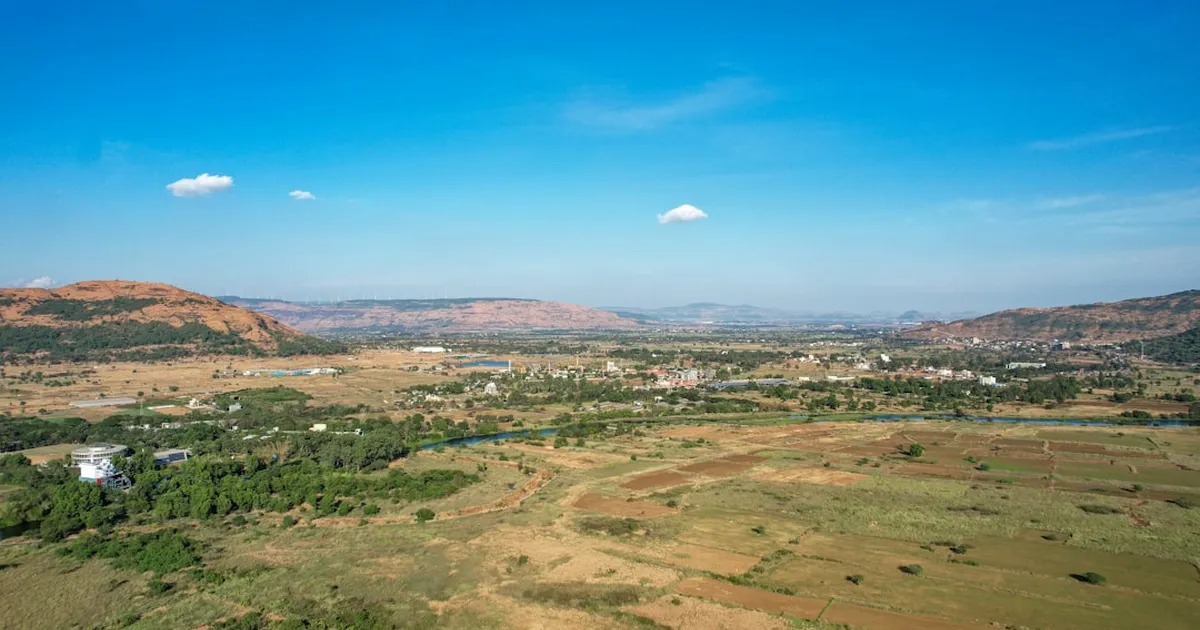
MMRDA launches April 2026 consent process for 323 sq km Third Mumbai (KSC New Town) spanning 124 villages. 22.5% developed land model, ₹4,000 cr budget...
 News
News
RSVM Hospitality Acquires 100% Stake In Neterwala Group For 18.6-acre Land Parcel In Thane For $55 Million
RSVM Hospitality acquires 18.6-acre Majiwada land for ₹498 crore in Q1 2026's top real estate M&A deal. Impact on Thane prices, buyer strategy, and market...
 News
News
Amar Builders Acquires 13.22-acre Land Parcel In Pune's Mundhwa For ₹300 Crore
Amar Builders acquires 13.22 acres in Pune's Mundhwa for ₹300 crore. Discover how this major land deal impacts East Pune homebuyers, prices, and traffic.
 News
News
Smartworld Developers Acquires 6-acre Land In Sector 98 Noida For ₹414 Crore
Smartworld Developers enters Noida with a ₹414 crore land acquisition in Sector 98. Discover how this ₹2,000 crore luxury project impacts NCR homebuyers.
 News
News
Lodha Developers Acquires 5 Land Parcels In Q3 To Build Projects Worth ₹34,000 Crore
Lodha Developers acquires 5 prime land parcels across MMR, NCR, and Bengaluru in Q3 FY26 to build luxury projects worth ₹34,000 crore. Read our expert...
 News
News
Birla Estates Enters Mumbai Redevelopment Market With ₹1,700 Crore Luxury Project In Khar West
Birla Estates debuts in Mumbai's redevelopment market with a ₹1,700 crore luxury project in Khar West. Discover the impact on homebuyers and property prices.
 News
News
Arkade Developers Signs Mou To Acquire 3.54-acre Land In Bhandup West, Mumbai For ₹148 Crore
Arkade Developers signed an MoU to acquire a 3.54-acre Bhandup West land parcel for ₹148 crore. Here’s what it means for Mumbai homebuyers.
 News
News
Shriram Properties Acquires 4-acre Land Parcel On Sarjapur Main Road, Bengaluru For ₹550–600 Crore Premium High-rise Project
Shriram Properties acquired 4 acres on Sarjapur Main Road, Bengaluru (Feb 2026) for premium high-rise with ₹550–600 cr GDV. 5 lakh sq ft. Late-2026 launch.
 News
News
Godrej Properties Enters Coimbatore With 44-acre Land Acquisition For ₹450 Crore Plotted Residential Project Near Golf Club
Godrej Properties acquires 44 acres in South Coimbatore near Golf Club for ₹450 crore premium plotted residential project. Expected plot prices ₹50-65...
 News
News
Godrej Properties And Lodha Developers Acquire 25+ Land Parcels Worth ₹1 Lakh Crore Housing Pipeline In Fy26
Godrej Properties and Lodha Developers acquire 25+ land parcels in FY26 targeting ₹1 lakh crore housing pipeline. Key impacts on homebuyer prices, new...
 News
News
Lodha Developers Signs ₹365 Crore Joint Development Agreement With Sahana Group For 10-acre Land Parcel In Parel–sewri, Mumbai
Lodha Developers signs ₹364.80 crore JDA with Sahana Group for 10-acre Parel–Sewri redevelopment (February 2026). Premium residential project, SRA...
 News
News
Godrej Properties Acquires 30-acre Integrated Township Land Parcel On Sarjapur Road, South Bengaluru With ₹3,500 Crore Revenue Potential
Godrej Properties acquires 3.8-acre land on Sarjapur Road, expanding township to 30 acres with ₹3,500 crore GDV. November 2025 expansion combines 26-acre...
 News
News
Prestige Group Plans New Projects In Gurugram, Delhi And Noida In 2026 As NCR Contributes 45% Of Total Sales In H1 Fy26
Prestige Group plans major NCR expansion with new residential projects in Gurugram, Delhi, Noida by 2026 after 45% sales success in H1 FY26. MayFlower Phase 2...
 News
News
Mahindra Lifespaces Acquires 13.46-acre Land Parcel Near Mahalunge, Pune With ₹3,500 Crore Development Potential
Mahindra acquires 13.46 acres in Nande-Mahalunge, Pune with ₹3,500 crore development potential. Project launches 2026, possession 2030. Impact on West Pune...
 News
News
Prestige Group And Arihant Group Jointly Acquire 16.33-acre Land Parcel In Padi, Chennai For ₹561 Crore; ₹5,000 Crore Residential Project Planned
Prestige Group & Arihant jointly acquire 16.33-acre Padi, Chennai for ₹561 crore. ₹5,000 crore premium residential project with 3.6M sq ft planned. March...
 News
News
Godrej Properties Acquires 11.36-acre Land In Sector 63a, Golf Course Extension Road, Gurugram
Godrej Properties acquires 11.36-acre land in Sector 63A, Golf Course Extension Road, Gurugram on March 4, 2026 — a ₹4,500 crore premium residential...
 News
News
Godrej Properties Signs JDA For 18-acre Land Parcel In Thane, Mumbai
Godrej Properties signed a JDA for 18 acres in Thane on Feb 23, 2026, targeting ₹7,500 crore revenue. Here's what it means for Thane homebuyers and prices.
 News
News
Godrej Properties Acquires 20-acre Land Parcel Near Whitefield, Bengaluru
Godrej Properties acquires 20-acre land near Whitefield, Bengaluru on March 18, 2026, targeting ₹1,350 crore revenue. What this means for homebuyers and...
 News
News
Puravankara Signs Joint Development Agreement For 4-acre Land Parcel On Hennur Road, Bengaluru; ₹1,300 Crore GDV Project To Launch Within 12 Months
Puravankara signs a ₹1,300 crore JDA for 4 acres on Hennur Road, Bengaluru. 0.84 mn sqft project to launch within 12 months. Full analysis for homebuyers.
 News
News
Prestige Planning To Launch A Project On Dwarka Expressway
Prestige Estates signs a ₹4,200 crore JDA for 17.2 acres in Sector 92, Gurugram near Dwarka Expressway. Here's what it means for buyers and prices in 2026.
 News
News
Mumbai Metropolitan Region Development Authority Allots Land In BKC To NPCI For Global Headquarters
MMRDA allotted a 6,019 m² plot in BKC to NPCI on March 1 2025 for its global headquarters. This 80‑year lease cements BKC’s fintech role, impacting...
 News
News
Lodha Developer Acquires Development Rights For 4.3‑acre Malabar Hill Land Parcel
Lodha Developers acquired Malabar Hill development rights on 7 Jan 2026 for ₹106 cr. Trust retains 42.5 % share, 5,017 sqm RERA area, 150 parking...
 News
News
Godrej Properties, The Company Has Also Won A Bid To Acquire A 5-acre Plot Of Land In Kolkata. It Will Build A Housing Project On This Site And Expects About ₹1,650 Crore In Revenue.
Godrej Properties wins WBHIDCO e-auction for a prime 5-acre EM Bypass plot in Kolkata on March 4, 2026, targeting ₹1,650 crore in premium residential revenue.