
Hyderabad Musi Riverfront Redevelopment: Telangana Government Approves ₹1.5 Lakh Crore Urban Renewal Project Covering 55 Km Riverfront Corridor Set To Transform Central Hyderabad Property Market
Telangana Unveils ₹1.5 Lakh Crore Musi Riverfront Transformation: 55-Km Corridor To Reshape Central Hyderabad
The Telangana government has formally approved one of India's most ambitious urban river rejuvenation initiatives. Chief Minister A. Revanth Reddy unveiled the Detailed Project Report (DPR) for the Musi Riverfront Development Project on March 13, 2026, marking the transition from planning to execution phase. The initiative targets a 55-kilometre riverfront stretch passing through Hyderabad, with the government allocating ₹1,500 crore in the 2026-27 state budget. The first tranche of ₹375 crore was released in May 2026 to initiate land acquisition and preliminary works. The project is being executed through the Musi Riverfront Development Corporation Limited (MRDCL), a dedicated state entity. The ₹1.5 lakh crore figure cited in headlines represents the estimated value of approximately 3,300 acres of land along the river corridor—not the project cost itself.
What This Massive Project Actually Costs
The Phase-1 implementation cost is estimated at ₹5,812 crore to ₹7,000 crore, excluding land acquisition and rehabilitation expenses. This will be funded through multiple sources: the Asian Development Bank (ADB) has granted preliminary approval for a ₹4,100 crore loan (USD 500 million), the Telangana government is contributing state resources, and the Central government is expected to provide additional support through the Urban Challenge Fund with a potential 25% grant component. The project is divided into five development zones, with Phase-1 focusing on a 21-kilometre stretch between the twin reservoirs (Osman Sagar and Himayat Sagar) and extending up to Gandhi Sarovar and Bapu Ghat.
What the Riverfront Will Look Like
The transformation extends far beyond simple beautification. The government plans to restore the Musi as a perennially flowing, pollution-free river while creating world-class public infrastructure. Phase-1 includes four new sewage treatment plants (STPs)—with one designed as an underground facility similar to Seoul's model—to prevent untreated waste from entering the river. Massive protective flood walls capable of withstanding 1.5 lakh cusecs of water flow will be constructed on both banks, designed with lessons from the catastrophic 1908 floods that killed thousands. The riverfront will feature continuous promenades, cycling tracks, walking paths, parks, shopping malls, entertainment zones, amphitheatres, and water sports facilities. A 100-metre tower at the Triveni Sangam confluence will display a statue of Mahatma Gandhi. The government is also developing a multi-faith spiritual corridor with reconstructed temples (including an 8-acre, ₹700 crore temple complex at Manchirevula), mosques, churches, and gurudwaras symbolising communal harmony. Fresh water supply of 2.5 TMC (thousand million cubic feet) from the Godavari Project will be introduced to revive the river's ecosystem.
Impact on Hyderabad's Real Estate Market
This infrastructure project will fundamentally reshape property values and development patterns across central Hyderabad. Areas within 500 metres of the riverfront corridor are expected to see significant appreciation as the project progresses. Commercial zones along the river—particularly retail, hospitality, and entertainment spaces—will command premium valuations. The project will improve connectivity across the city; one planned road will reduce travel time from Gandipet to Ramoji Film City from 85 km to 55 km, benefiting properties in surrounding localities. However, the project carries a critical caveat: it requires extensive land acquisition and establishment of a 50-metre buffer zone on both banks. This means properties in flood-prone areas and buffer zones face potential acquisition, displacement, or restrictions on development rights. Buyers in these zones should expect uncertainty and potential compulsory acquisition at government-determined compensation rates, not market rates.
The Displacement Challenge: A Major Concern
The government's land acquisition strategy is proving controversial and represents a significant risk factor for existing residents and property owners. Survey teams have been deployed across Hyderabad, Rangareddy, Medchal, and Malkajgiri districts to identify structures within the maximum flood level (MFL) and buffer zones. In areas like Kothapet, Maruthi Nagar, and Satya Nagar, residents have actively blocked survey efforts and refused to vacate, forcing officials to suspend work. Chief Minister Revanth Reddy has assured that no poor family will face injustice and that rehabilitation support will be provided, but the mechanics of compensation and rehabilitation remain unclear. The opposition Bharat Rashtra Samithi (BRS) has characterised the project as a "massive land grab scheme" and pledged to resist mass demolitions. This political opposition, combined with public resistance on the ground, creates execution risk. Buyers should avoid purchasing properties in identified buffer zones until the government clarifies its acquisition timeline and compensation framework.
Expert Analysis: Why Now? Strategic Context
The Musi project reflects a broader shift in Indian urban development strategy—from car-centric sprawl to riverfront-led city-making. Chief Minister Revanth Reddy studied London's Thames redevelopment during a World Economic Forum visit to Davos, and the project is explicitly modelled on successful international precedents like the Thames, Rhine, and Singapore's river transformations. Hyderabad's Musi has deteriorated severely over decades due to untreated sewage, industrial effluents, encroachments, and urban neglect. The river now poses a public health risk and contributes to seasonal flooding. The government's decision to launch this project signals confidence in Hyderabad's long-term growth trajectory and positions the city to compete with global riverfront destinations for investment and talent. The ADB loan approval is significant—it validates the project's technical soundness and creates international accountability for execution. However, the project's success depends entirely on resolving the displacement challenge. Previous attempts to develop the Musi (2009 rubber dam, 2017 beautification efforts) failed due to funding gaps and poor execution. This time, with dedicated funding and a dedicated corporation, the government has better structural chances—but political will and public cooperation remain uncertain.
Timeline and Next Steps
The government is moving into the land acquisition and execution phase following the March 2026 DPR approval. DPRs for the 21-kilometre Phase-1 stretch have been submitted to the Ministry of Jal Shakti for Central government support under the National River Conservation Plan. Chief Minister Revanth Reddy has committed to inaugurating Phase-1 before the next state Assembly elections (likely 2028). The upstream segments (Osman Sagar to Bapu Ghat, approximately 20 km) will receive priority attention. Large-scale civil works—flood walls, STPs, bridges, promenades—are expected to commence within 12-18 months pending final land clearance. Real estate activity will likely intensify in non-buffer-zone areas near the corridor as developers anticipate post-development appreciation. Conversely, buffer-zone properties will experience a period of uncertainty and potential value suppression until acquisition timelines are clarified.
Localities and Areas Directly Affected
- Gandipet to Osman Sagar: Upstream section with priority development focus; reduced flood risk will improve property values in adjacent areas like Rajendranagar and Shamshabad corridor
- Chaderghat to Charminar (Old City): Historic riverfront zone with planned heritage tourism; buffer zone restrictions will affect encroached properties but preserve cultural character
- Uppal to Nagole: Middle-income residential areas facing buffer-zone acquisition; government rehabilitation packages will be critical to social acceptance
- Bapu Ghat to Gowrelly: Downstream section with commercial and industrial land; redevelopment will create new office and retail zones
- Shamshabad and Future City (ORR vicinity): Indirect beneficiaries; improved connectivity and riverfront proximity will drive premium residential and commercial development
What Homebuyers Should Know: Critical Risk Factors
Positive factors: The project will dramatically improve flood resilience, environmental quality, and connectivity. Properties outside buffer zones but within 500-1000 metres of the riverfront will likely appreciate 20-40% over 5-7 years as development progresses. Commercial and hospitality properties will see the strongest gains. The ADB loan and Central government support reduce execution risk compared to state-funded projects.
Negative factors: Properties within the 50-metre buffer zone and flood-prone areas face compulsory acquisition at government-determined rates, typically 10-20% below market value. Acquisition timelines are unclear—some areas may be acquired within 2-3 years, others within 5+ years, creating prolonged uncertainty. Rehabilitation packages for displaced residents remain undefined. Political opposition and public resistance create execution risk; the project could face delays or modifications if public pressure mounts. Survey and demarcation of buffer zones is ongoing and contested; buyers should obtain official confirmation of their property's status before purchasing.
Comparable Infrastructure Projects in Hyderabad
- Hyderabad Metro Rail Expansion (Phase II/III): Similar large-scale urban infrastructure with significant property value uplift in metro-adjacent areas; execution has faced delays but is progressing
- Regional Ring Road (RRR) expansion: Connectivity-driven project benefiting peripheral areas; property appreciation has been moderate to strong depending on proximity
- HMDA Infrastructure Development (Shamshabad, Future City): Government-backed township development attracting commercial and residential investment
Future-Buyer FAQ
Q: Should I buy property in the Musi riverfront corridor right now?
A: It depends on location. Properties outside the 50-metre buffer zone but within 500 metres of the riverfront offer strong long-term appreciation potential (20-40% over 5-7 years) as the project progresses. Properties within the buffer zone should be avoided unless you are comfortable with potential acquisition at government rates within 3-7 years. Obtain official buffer-zone demarcation from MRDCL before committing.
Q: What is the expected timeline for Phase-1 completion and value appreciation?
A: Phase-1 (21 km) is expected to take 2-3 years from the start of civil works (likely mid-2027 onwards). Significant property appreciation will begin 12-18 months into construction as public confidence builds. Peak appreciation will occur 2-3 years post-completion as the riverfront becomes operational and attracts commercial activity. Conservative estimate: 15-25% appreciation over 5 years for properties 200-500 metres from the river.
Q: Which areas will see the highest property appreciation?
A: Commercial zones (Chaderghat, Charminar vicinity) will see the strongest gains due to tourism and retail development. Upper-middle-class residential areas adjacent to Phase-1 (Rajendranagar, Uppal fringes) will see 20-30% appreciation. Shamshabad and Future City, which will benefit from improved connectivity via the Gateway of Hyderabad hub, will see moderate appreciation (10-20%) over the medium term.
Q: Is there risk that the project will be delayed or abandoned?
A: Moderate risk exists. The previous BRS government had a ₹16,000 crore Musi development plan that was largely shelved. Political opposition is vocal, and public resistance to displacement is mounting. However, the current government's stronger budget allocation (₹1,500 crore annually), ADB loan approval, and DPR completion suggest higher commitment. Execution delays of 1-2 years are realistic but full abandonment is unlikely given the government's political investment in the project.
Q: What happens if my property is in the buffer zone?
A: The government will acquire your land at a rate determined by an official valuation committee (typically 10-20% below current market value). You will be offered rehabilitation assistance, but the quantum and timeline are not yet specified. The government has promised special support for poor and middle-class families, but the definition and implementation remain unclear. Expect acquisition within 3-7 years; timelines will be announced zone by zone. Consider selling now at market rates if you wish to avoid the uncertainty of government acquisition.
Questions & Answers (0)
Terms & Conditions — Q&A
By submitting a question on RealtyPromoo, you agree to these terms:
1. Content Policy
- Your question must be a genuine real estate query.
- No abusive, defamatory, or promotional content.
- No personal contact info, broker referrals, or spam.
- Questions are reviewed by AI and may be edited for clarity, grammar, or politeness before publication.
2. Publication
- Your first name + last initial (e.g., "Rahul S.") will be displayed publicly with the answer.
- Your full name, phone number, and email are never displayed publicly.
- Once published, your question and answer become part of RealtyPromoo's content.
3. Phone & Email
- Your phone number is required so our team can share the answer with you on WhatsApp and assist with your query.
- Your phone number and email are stored securely and may be used by RealtyPromoo or its sales team to contact you regarding your query or related properties.
4. Answer Accuracy
- Answers are generated by AI based on publicly available information and the page context.
- Answers are informational only — not financial, legal, or investment advice.
- Always verify pricing, RERA status, and possession dates with the developer before any transaction.
- RealtyPromoo is not liable for decisions made based on AI-generated answers.
5. Pre-RERA / Pre-Launch Projects
- Some listed projects are pre-RERA / pre-launch. These listings are informational only.
- No booking, sale, or agreement is permitted before RERA registration.
- "Express Your Interest" forms collect contact details for future communication, not advance bookings.
6. Moderation
- RealtyPromoo reserves the right to delete, edit, or refuse to publish any question or answer.
7. Privacy
- Your data is handled per our Privacy Policy.
8. Jurisdiction
- These terms are governed by the laws of India.
- Disputes are subject to the courts of Noida, Uttar Pradesh.
Be the first to ask a question. Get an answer in seconds.
Questions & Answers
This article was drafted by The RealtyPromoo Research Team with research support from artificial intelligence. AI assisted in gathering and summarizing information from primary news sources and official statements, and the final content was reviewed by our editor before publishing. News pages are timestamped at the time of writing and are not updated after publication.
Sources consulted: Primary press releases & company statements · Tier-1 business news (Economic Times, Livemint, Moneycontrol, Business Standard) · BSE / NSE corporate disclosures · Government notifications · State RERA filings (where relevant).
Published: 14 June 2026 · Spot an error? Let us know
Projects mentioned in this article
 Pre-Launch
Prestige Imperial park, Budvel, Hyderabad
by Prestige Group
Rajendra Nagar, Hyderabad
₹0.75 Cr - ₹3.00 Cr
1 BHK, 2 BHK, 3 BHK, 4 BHK
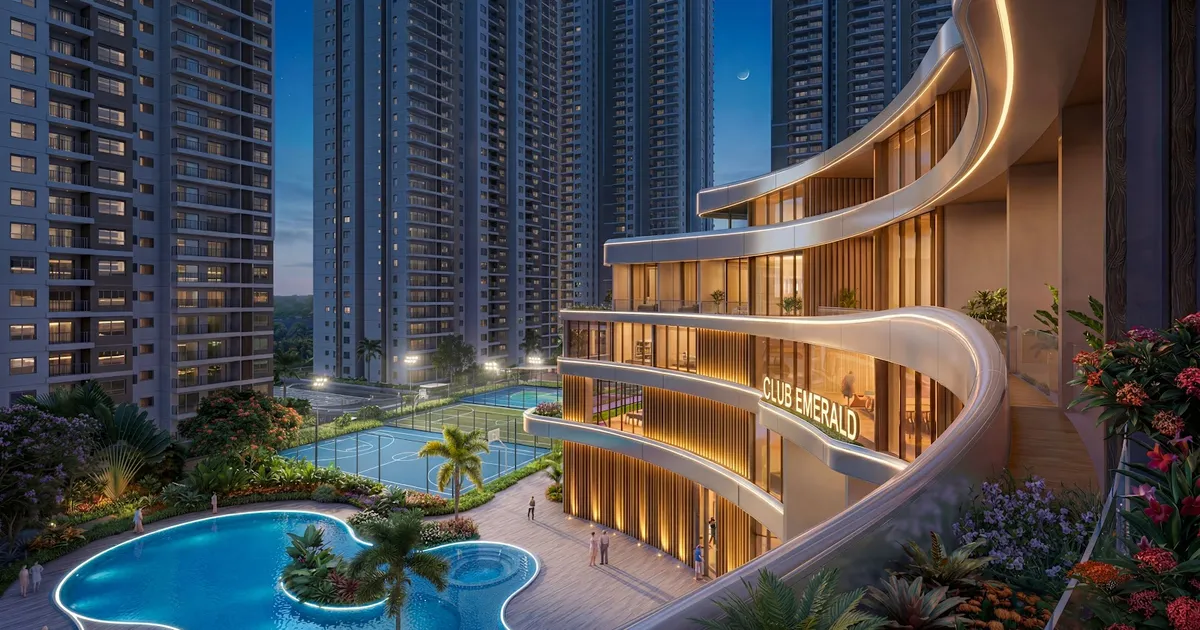 New Launch
Prestige Golden Grove
by Prestige Group
Tellapur–velimela–kollur, West Hyderabad, Hyderabad
₹93 L – ₹2.40 Cr+
2 BHK, 3 BHK, 4 BHK
 Under Construction
Godrej Madison Avenue Kokapet Hyderabad
by Godrej Properties Limited
Kokapet, Hyderabad
₹2.94 Cr - ₹5.10 Cr
3 BHK, 3.5 BHK, 4 BHK
 Under Construction
Sattva Lake Ridge Kokapet Hyderabad
by Sattva Group
Phase 1 (Lakeridge) under construction · Phase 2 (Sattva Lago) pre-launch
Neopolis, Kokapet, Hyderabad
₹2.7 Cr - ₹7.13 Cr
3 BHK, 3.5 BHK, 4 BHK, 5 BHK
 Under Construction
Prestige City Hyderabad Rajendra Nagar
by Prestige Group
Bellagio Villas Phase 1 launched · Apartments under construction · Forum Mall (7-acre commercial) upcoming
Rajendra Nagar, Hyderabad
₹1.42 Cr - ₹3.16 Cr (Apartments); Villas from ₹10.62 Cr
2 BHK, 3 BHK, 3.5 BHK, 4 BHK Apartments + 5 BHK Villas
 Ready to Move
My Home Navadweepa Kokapet Hyderabad
by My Home Constructions Pvt. Ltd. (my Home Group)
Madhapur, Hitec City, Hyderabad
₹2.27 Cr - ₹5 Cr
2 BHK, 3 BHK, 4 BHK, 5 BHK
 Under Construction
Prestige Clairemont Kokapet Hyderabad
by Prestige Group
Neopolis, Kokapet, Hyderabad
₹3.16 Cr - ₹5.5 Cr
3 BHK, 3 BHK + Study, 4 BHK
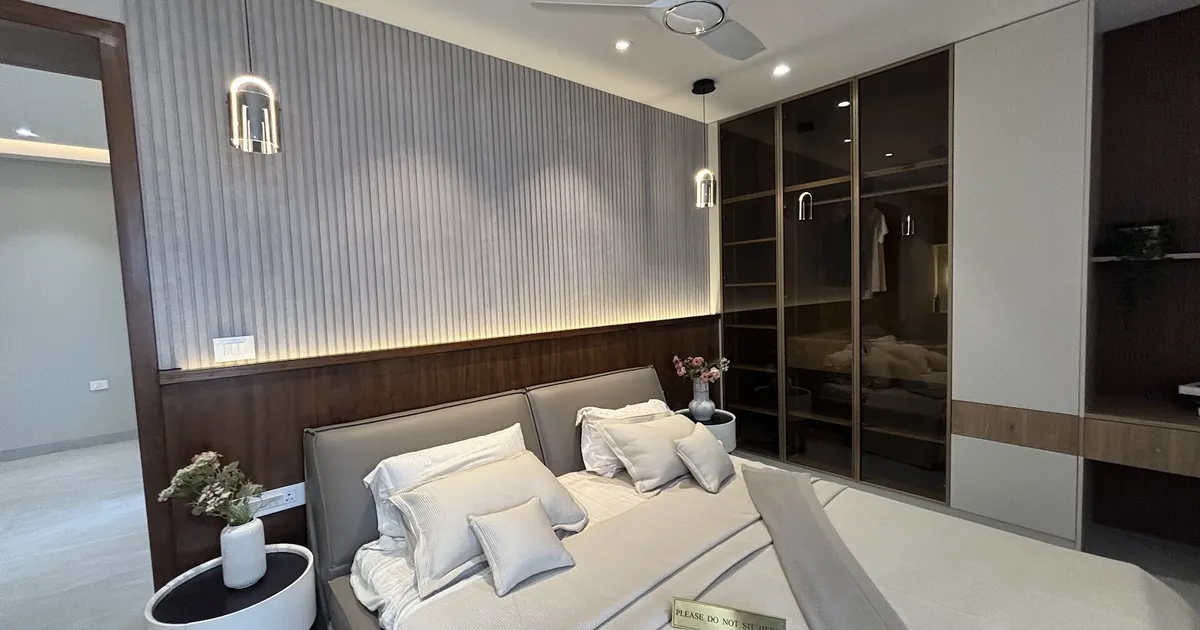 New Launch
Ramky The Eminent Hyderabad
by Ramky Estates
Rajendra Nagar, Hyderabad
₹1.71 Cr - ₹3.13 Cr
3 BHK, 3.5 BHK, 4 BHK, 4.5 BHK
 New Launch
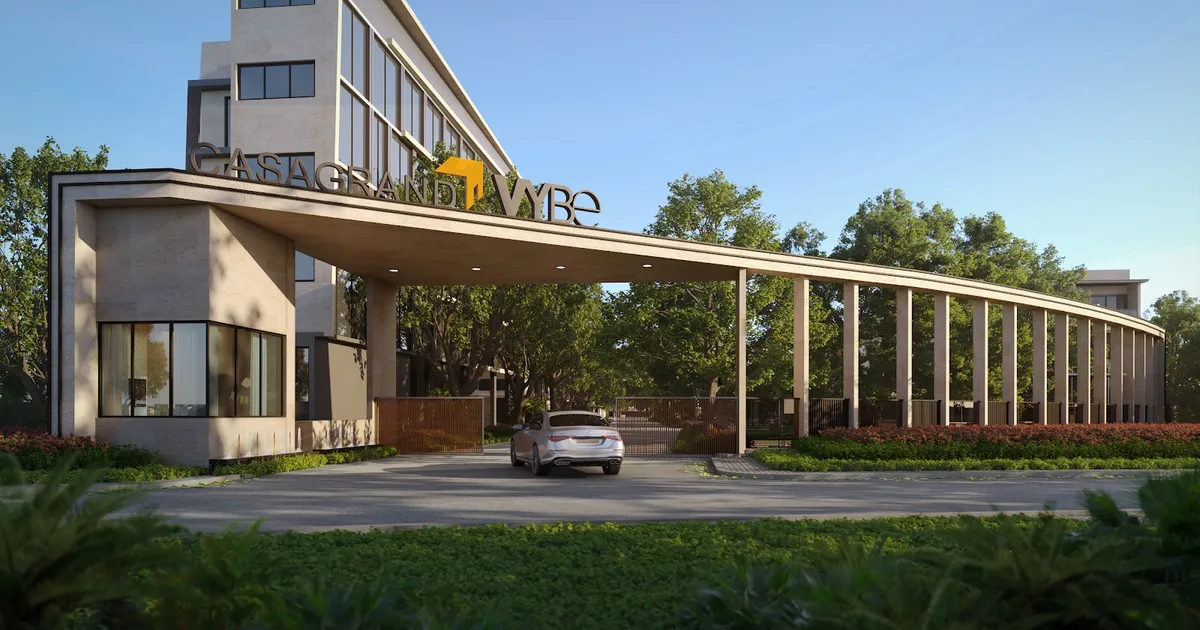
Casagrand Vybe Rajendra Nagar Hyderabad
by Casagrand
Rajendra Nagar, Hyderabad
₹3.20 Cr - ₹4.86 Cr
5 BHK Villas
 New Launch
Casagrand Hennessey Kompally Hyderabad
by Casagrand
Kompally (gundlapochampally), Hyderabad
₹1.15 Cr - ₹1.71 Cr
3 BHK, 4 BHK
 New Launch
Casagrand Hennessey Phase 2 Kompally Hyderabad
by Casagrand
Kompally (gundlapochampally), Hyderabad
₹1.15 Cr - ₹1.71 Cr
3 BHK, 4 BHK
 Upcoming
Rustomjee Andheri East Redevelopment Mumbai Project
by Rustomjee Group (keystone Realtors Limited)
Andheri East, Mumbai
Price on Request
Expected 1 BHK, 2 BHK, 3 BHK
 Pre-Launch
Sobha Hyderabad Upcoming Project
by Sobha Limited
Kokapet, Hyderabad
₹1.85 Cr - ₹3.95 Cr
2 BHK, 3 BHK, 4 BHK
 Under Construction
Casagrand Evon Kompally Hyderabad
by Casagrand
Kompally (gundlapochampally), Hyderabad
₹1.60 Cr - ₹2.28 Cr
3 BHK, 4 BHK
 Upcoming
Brigade Osman Nagar Hyderabad
by Brigade Group
Osman Nagar, Hyderabad
Price on Request
2 BHK, 3 BHK, 4 BHK
 Upcoming
Godrej Upcoming Project Hyderabad
by Godrej Properties Limited
Kokapet, Hyderabad
₹3.00 Cr - ₹5.50 Cr
3 BHK, 4 BHK
 Under Construction
The Sarayu Ayodhya
by The House Of Abhinandan Lodha
Phase 1 (UPRERAPRJ311468) under construction · Phase 2 (The Sarayu-2, UPRERAPRJ954926) possession May 2027
Sarayu Riverfront, Faizabad Road, Ayodhya
₹1.72 Cr – ₹4.05 Cr
Residential Plots (1,250 – 3,000+ sq.ft.)
 Under Construction
Sobha Water Front Somajiguda Hyderabad
by Sobha Limited
Somajiguda, Hyderabad
₹3.18 Cr - ₹6.03 Cr
3 BHK, 3.5 BHK, 4 BHK
 Upcoming
Godrej Upcoming Project Somajiguda Hyderabad
by Godrej Properties Limited
Somajiguda, Hyderabad
Price on Request
2 BHK, 3 BHK, 4 BHK
 Upcoming
Tata Realty Hyderabad Upcoming Project
by Tata Realty
Kokapet, Hyderabad
Price on Request
3 BHK, 4 BHK
 Upcoming
Embassy Group Hyderabad Financial District Upcoming Project
by Embassy Group
Nanakramguda, Hyderabad
Price on Request
3 BHK, 4 BHK
 Upcoming
Prestige Lakdaram Hyderabad Upcoming Project
by Prestige Group
Lakdaram, Hyderabad
Price on Request
To be announced
 Upcoming
Prestige Kokapet Hyderabad Upcoming Project
by Prestige Group
Kokapet, Hyderabad
Price on Request
3 BHK, 4 BHK
 Under Construction
Urbanrise Miyapur Hyderabad Project
by Urbanrise (auro Realty)
Miyapur, Hyderabad
₹1.05 Cr - ₹2.00 Cr
2.5 BHK, 3 BHK, 4 BHK
 Pre-Launch
Prestige Pulimamidi Hyderabad Upcoming Project
by Prestige Group
Pulimamidi, Hyderabad
Price on Request
Residential Plots (1200 sq.ft., 1600 sq.ft., and custom sizes)
 Upcoming
Birla Estates Hyderabad Upcoming Project
by Birla Estates Private Limited
Gachibowli, Hyderabad
Price on Request
2 BHK, 3 BHK, 4 BHK
 Upcoming
Brigade Group Kokapet Hyderabad Upcoming Project
by Brigade Group
Kokapet, Hyderabad
₹4 Cr - ₹5.5 Cr (indicative)
2 BHK, 3 BHK, 4 BHK
 Upcoming
Prestige Group Tellapur Hyderabad Upcoming Project
by Prestige Group
Tellapur–velimela–kollur, West Hyderabad, Hyderabad
₹1.05 Cr - ₹2.75 Cr
2, 3, 4 BHK
 Pre-Launch
Godrej Properties Kukatpally KPHB Phase 4 Hyderabad Project
by Godrej Properties Limited
Kukatpally (kphb Phase 4), Hyderabad
₹2.20 Cr - ₹4.53 Cr
3 BHK, 4 BHK
 Upcoming
Lodha Group Hyderabad Kokapet Upcoming Residential Project
by Lodha Group
Kokapet, Hyderabad
Price on Request
2 BHK, 3 BHK, 4 BHK
Related News
 News
News
Hyderabad Musi Riverfront Redevelopment Project: ₹1.5 Lakh Crore Urban Renewal Initiative To Transform 55 Km Riverfront Corridor Boosting Property Demand In Central Hyderabad And Rajendra Nagar
Telangana's ₹1.5 lakh crore Musi Riverfront Redevelopment spans 55 km. Phase 1 costs ₹6,500-7,000 cr. Property demand surging in Central Hyderabad &...
 News
News
Hyderabad Regional Ring Road Southern Stretch Development Begins Boosting Real Estate In Rajendra Nagar Budvel And Outer Hyderabad Corridors
Hyderabad Regional Ring Road southern stretch enters construction phase. Rajendra Nagar and Budvel positioned for 25-40% appreciation as RRR connectivity...
 News
News
Prestige Golden Grove Tellapur Hyderabad Sells Over 1800 Units Worth Rs 2500 Crore In Two Weeks Of Launch Setting New West Hyderabad Sales Record In 2026
Prestige Golden Grove Tellapur smashes West Hyderabad launch record: ₹2,500 crore sales, 1,700+ units in 2 weeks. 5,120-unit township, 28.7 acres...
 News
News
Prestige Group Targets ₹36,000 Crore Pre-Sales In Fy27 And Plans 43 New Project Launches As Cmd Irfan Razack Warns Of Hyderabad Oversupply While Expanding Into Six Cities
Prestige Estates aims for ₹36,000 crore pre-sales in FY27 with 20% growth. CMD Irfan Razack warns of Hyderabad oversupply while expanding to Mumbai...
 News
News
Casagrand Launches 35-acre Casagrand Vybe Villa Project In Rajendra Nagar Hyderabad
Casagrand Vybe, 35-acre ultra-luxury villa community in Rajendra Nagar, Hyderabad. 362 villas, ₹3.2-4.86 Cr, RERA registered, April 2029 possession...
 News
News
Casagrand Scales Up Hyderabad Presence With Launch Of Five Projects Adding 3.98 Million Sq Ft In 2026
Casagrand launches Casagrand Vybe, a 35-acre ultra-luxury villa project in Rajendra Nagar, Hyderabad with 362 villas priced from ₹3.2 crore. RERA registered...
 News
News
Hyderabad Outer Ring Road Phase 2 Expansion And Pharma City Connectivity Boost Real Estate Demand In Rajendra Nagar, Budvel And Kokapet Corridors In 2026
Hyderabad ORR expansion and Pharma City metro connectivity unlock growth in Rajendra Nagar and Kokapet. Current pricing, risks, and buyer strategy for 2026...
 News
News
Brigade Group Plans 8 Million Sq Ft Housing Projects In Hyderabad Across Multiple New Residential Developments In 2026
Brigade Enterprises signs 5.6-acre JDA in Kompally, Hyderabad with ₹850 crore revenue potential. Premium residential project launching Q4 2026. Pricing...
 News
News
Godrej Properties Acquires 5-acre Land In Hyderabad's Kukatpally KPHB Phase 4 To Build ₹4,150 Crore Worth Housing Project
Godrej Properties emerges highest bidder for 5-acre premium land in Neopolis, Kokapet, Hyderabad in HMDA e-auction. ₹4,150 crore revenue project with 2.5...
 News
News
Godrej Properties Buys 5-acre Land In Hyderabad To Build Rs 4,150 Crore Worth Housing Project
Godrej Properties wins HMDA e-auction for 5-acre Neopolis Kokapet land. ₹4,150 crore premium residential project with 2.5M sq ft saleable area launching late...
 News
News
Brigade Group Partners With Primus Senior Living To Develop Senior Living Communities Across Bengaluru And Hyderabad
Brigade Group and Primus Senior Living announce ₹750 crore partnership to develop 600+ senior living units across Bengaluru and South India. Three projects...
 News
News
Irfan Razack Warns Of Hyderabad Oversupply And Affordability Stress As Prestige Group Targets ₹60,000 Crore GDV In Fy27 Launch Pipeline
Prestige Group targets ₹60,000 crore FY27 launch pipeline. Chairman Irfan Razack warns of Hyderabad oversupply and affordability stress. What it means for...
 News
News
Prestige Group Acquires 28-Acre Land Parcel In Tellapur West Hyderabad As Part Of 102-Acre Multi-City Q1 Fy26 Land Banking Drive Worth Rs 20,400 Crore GDV
Prestige Group acquires a 28-acre land parcel in Tellapur, West Hyderabad, as part of its Q1 FY26 expansion. Analysis on project impact and future for...
 News
News
Hyderabad Metro Phase 2 Extension To Kokapet Financial District And RGIA Airport Corridor Gets Dpr Approval Triggering Property Price Surge Along New 76-Km Network
Hyderabad Metro Phase 2 DPR cleared for 76.4-km expansion across five corridors at ₹24,269 crore. Airport, Kokapet, Patancheru lines approved. Impact on...
 News
News
Prestige Estates Acquires 102 Acres Across Bengaluru, Hyderabad, Chennai And Mumbai In Q1 Fy26 For Residential Projects With ₹20,400 Crore Combined GDV
Prestige Estates secures 102 acres in Q1 FY26 for ₹20,400 crore GDV residential projects. Details on Tellapur, Pulimamidi, Devanahalli, Sarjapura, Velachery...
 News
News
Prestige Group Launches Prestige Jijamata Nagar Luxury Residential Project In Worli Mumbai
Prestige Jijamata Nagar Worli: 1,520 luxury 2-3 BHK units, ₹88L-₹1.02Cr, 8 towers, RERA PR/270824/00698. Possession Dec 2028. Prime South Mumbai location.
 News
News
Prestige Estates Acquires 37-acre Land Parcel In Pulimamidi Hyderabad For Large-scale Residential Development As Part Of 102-acre Multi-city Land Buying Spree
Prestige Estates acquires 37 acres in Pulimamidi, Hyderabad as part of 102-acre multi-city land spree with ₹20,400 crore GDV. New residential project...
 News
News
West Hyderabad Velimela-Tellapur-Kollur Corridor Emerges As New Luxury Residential Belt With 40 Percent Price Advantage Over Saturated Kokapet As Township Launches Drive Record Demand In 2026
West Hyderabad's Velimela-Tellapur-Kollur corridor emerges as premium residential belt with 40% price advantage over saturated Kokapet. Prestige Golden Grove...
 News
News
Karyan Group Launches ₹1,500 Crore Trevana Residences Luxury Project On NH-24 Corridor Opposite Wave City Ghaziabad
Karyan Group launches Trevana Residences, a ₹1,500 crore luxury residential project on NH-24 Ghaziabad opposite Wave City. 608 units, 3-4 BHK, ₹2-6 crore...
 News
News
Hyderabad Hmda Plans To Auction 43 Acres Across Kokapet Golden Mile And Moosapet With Bids Expected To Surpass Rs 5,000 Crore Setting New Land Price Records
HMDA's landmark auction across Kokapet Neopolis, Golden Mile, and Moosapet concluded December 5, fetching ₹3,862.8 crore. Land prices soared to ₹151.25...
 News
News
HMDA Records Rs 137 Crore Per Acre Bid For Lake-Facing Neopolis Kokapet Plot In E-Auction Marking 87 Percent Jump In Land Prices At Hyderabad's Premium Financial District
HMDA e-auction on November 24, 2025 closes Neopolis Kokapet plots at record ₹137.25 crore per acre, up 87% from 2023. MSN Urban Ventures and Vajra Housing...
 News
News
Godrej Properties Acquires 8.5-Acre Land Parcel In Mahalunge Pune For ₹2,000 Crore Group Housing Project On Hinjewadi-Balewadi Corridor
Godrej Properties acquires 8.5-acre Mahalunge land for ₹2,000 crore group housing project. Expected launch 2027, 2.1M sq ft development. Details, pricing...
 News
News
Prestige Group Acquires 30-Plus Acre Land Parcel At KIADB Aerospace Park Phase 2 Bengaluru For Large-Scale Residential Development
Prestige Group acquires 30-acre land parcel at KIADB Aerospace Park Phase 2 in North Bengaluru. Expected launch 2027, mixed-use residential township with...
 News
News
Prestige Group Reports Record Fy26 Pre-sales Of ₹30,024 Crore With 43 New Projects Planned Across Seven Cities Including First Entry Into Pune In Fy27
Prestige Estates hits record ₹30,024 crore FY26 pre-sales with 76% growth. Plans 43 new projects across 7 cities, enters Pune. What this means for homebuyers.
 News
News
Prestige Group Plans Luxury Residential Projects In Kochi And Kozhikode As South Kerala Expansion Gathers Pace In 2026
Prestige Estates Projects deepens South Kerala expansion with luxury residential projects in Kochi and Kozhikode. Portfolio includes Prestige Ocean Pearl, Eden...
 News
News
Prestige Group Acquires 25-acre Land In Chennai's Medavakkam For ₹5,000 Crore Residential Development
Prestige Group acquires 25-acre land in Chennai's Medavakkam for ₹5,000 crore residential development. Expected launch 2026-27, possession by Dec 2028...
 News
News
Brigade Group Signs JDA For ₹1,000 Crore Residential Project In West Chennai
Brigade Enterprises signs JDA for 6.6-acre premium residential project in West Chennai with ₹1,000 crore GDV. Expected launch 2026. Details on pricing, BHK...
 News
News
Prestige Group Plans New Projects In Gurugram, Delhi And Noida In 2026 As NCR Contributes 45% Of Total Sales In H1 Fy26
Prestige Group plans major NCR expansion with new residential projects in Gurugram, Delhi, Noida by 2026 after 45% sales success in H1 FY26. MayFlower Phase 2...
 News
News
Prestige Group Targets ₹36,000 Crore Pre-Sales In Fy27 With ₹60,000 Crore Launch Pipeline As Cmd Irfan Razack Sets Out Multi-City Expansion Strategy For Fy27
Prestige Group targets ₹36,000 crore pre-sales in FY27 with 15-20% growth. CMD Irfan Razack announces ₹60,000 crore launch pipeline across Bengaluru...
 News
News
Prestige Group Targets Record ₹36,000 Crore Pre-Sales In Fy27 With ₹60,000 Crore Launch Pipeline Across Bengaluru Mumbai And Delhi-NCR As Cmd Irfan Razack Outlines Growth Strategy
Prestige Group targets record ₹36,000 crore pre-sales in FY27 with ₹60,000 crore launch pipeline across Bengaluru, Mumbai, Delhi-NCR. CMD Irfan Razack...
 News
News
Sattva Group Launches First Mumbai Residential Project 'Sattva Sumera' In Parel With ₹5,500 Crore Revenue Potential Marking Developer's Entry Into Mumbai Market
Sattva Sumera marks Sattva Group's Mumbai entry: ₹5,500 crore GDV, 2-acre Parel redevelopment, twin towers, 500+ units, 2/3 BHK homes. RERA expected Q3 2026.
 News
News
Brigade Group Launches Brigade Thiruvanmiyur Premium Luxury Residential Project In South Chennai With Superior OMR Connectivity
Brigade Group launches Brigade Thiruvanmiyur, premium 2-4 BHK residential project in South Chennai with superior OMR connectivity. Pre-launch pricing, RERA...
 News
News
Gillco Group Breaks Ground On Meraqui Ultra-premium Residential Project On Airport Road Mohali With 444 Residences Across Six Towers
Gillco breaks ground on Meraqui, 444 ultra-premium residences across 6 towers on Airport Road, Mohali. 3-4 BHK luxury apartments with wellness focus. Expected...
 News
News
Brigade Group Acquires Land In Hoskote For ₹5,200 Cr Mixed-use Project
Brigade Group acquires 20.19-acre Whitefield-Hoskote land for ₹588 crore to develop ₹5,200 crore mixed-use township with 4.2M sq ft residential, office...
 News
News
Sattva Group Launches Sattva Forest Ridge Pre-launch Residential Project In Anjanapura South Bengaluru
Sattva Forest Ridge launches in Anjanapura, JP Nagar 9th Phase: 407 apartments across 4 acres, 95% sold in 9 months. Prices ₹67L–₹1.99Cr. Possession Dec...
 News
News
Sattva Group Launches Pre-launch Sales For Sattva Ozone Residential Project In Kannamangala Devanahalli Bengaluru
Sattva Ozone in Devanahalli: 16-acre luxury residential project with 2, 3, 4 BHK apartments. Pre-launch phase, possession December 2029. Premium North...
 News
News
Rustomjee Group Plans New Luxury Residential Projects In Bandra West, Dahisar And Dombivali Mumbai
Rustomjee Group announces new luxury residential projects in Bandra West, Dahisar, and Dombivali. Pre-launch details, expected pricing, launch timeline, and...
 News
News
Wadhwa Group Launches Artek Park Luxury Residential Project In Bandra East Mumbai
MICL and Wadhwa Group launch Artek Park in Bandra East — ultra-luxury 3 & 4 BHK residences from ₹8.5 crore. MahaRERA registered, low-density living, BKC...
 News
News
Sattva Group Launches Sattva Vasanta Skye Premium Residential Project Near Bengaluru Airport In Devanahalli
Sattva Vasanta Skye: 16-acre RERA-registered premium residential project in Devanahalli, Bangalore. 1,077 apartments, studios to 4 BHK, ₹78L-₹2.90Cr...
 News
News
Adani Group To Invest ₹1 Lakh Crore In Motilal Nagar Redevelopment Project
Adani Group commits ₹1 lakh crore to redevelop 143 acres in Motilal Nagar, Goregaon West. Discover the impact on homebuyers, property prices, and timelines.
 News
News
Birla Estates Partners With Sikka Group To Develop ₹1,600 Crore Residential Project In Greater Noida Under Up Legacy Revival Policy
Birla Estates invests ₹500 crore with Sikka Group for ₹1,600 crore Greater Noida revival project. UP Legacy Policy enables stalled housing comeback. Launch...
 News
News
Prestige Group And Arihant Group Jointly Acquire 16.33-acre Land Parcel In Padi, Chennai For ₹561 Crore; ₹5,000 Crore Residential Project Planned
Prestige Group & Arihant jointly acquire 16.33-acre Padi, Chennai for ₹561 crore. ₹5,000 crore premium residential project with 3.6M sq ft planned. March...
 News
News
Eldeco Group Launches 7 Peaks Residences Ultra-Luxury Project In Sector Omicron 1a Greater Noida With RERA Registration And 820 Premium 3 And 4 BHK Apartments
Eldeco 7 Peaks Residences launches in Omicron 1A with RERA approval (UPRERAPRJ106523/01/2026). 820 luxury 3&4 BHK apartments, ₹11,999/sq.ft pre-launch, Nov...
 News
News
Hyderabad Greenfield Radial Road Phase 2 Order Secured By L&t Transportation For 22.3-Km Access-Controlled Corridor Boosting Real Estate In Outer Ring Road Zones
L&T has secured a significant contract to build a 22.3 km access-controlled radial road, boosting real estate in Dundigal, Bowrampet, and ORR zones.
 News
News
Eldeco Group Launches Luxury Residential Project In Sector 17 Dwarka Delhi With 3 To 5 BHK Apartments
Eldeco launches Eldeco Camelot, Dwarka's first ultra-luxury project with 95 units, 3-4 BHK apartments, starting ₹7.42 crore. RERA approved, January 2026...
 News
News
Puravankara And Kvn Group Sign Joint Development Agreement For 25-acre Residential Project Near KIADB Aerospace Park North Bengaluru
Puravankara and KVN Group's 24.59-acre KIADB Aerospace Park JV launched March 2026: 2,973 units, ₹80 lakhs entry, 2029 possession. RERA-approved. North...
 News
News
Prestige Group Reports Record Fy26 Pre-sales Of ₹30,024 Crore, Up 76% Year-on-year, As NCR Contributes 45% Of Total Sales
Prestige Estates achieves record ₹30,024 crore FY26 pre-sales, up 76% YoY. NCR contributed 45% in H1, Bengaluru 34% full year. Strong collections of...
 News
News
Agarwal Group Acquires Land In Super Corridor Indore For Luxury Residential Township Project
UPDATE: This project is now live — View Puravankara Bengaluru 53-acre Township Upcoming Project Full Details →I'll search for this news about Agarwal...
 News
News
Brigade Group Signs Joint Development Agreement For Residential Project In Banashankari South Bengaluru
Brigade Group signs ₹1,200 crore JDA for 7.5-acre Banashankari residential project in South Bengaluru. Expected 2–3 BHK premium apartments, launch Q3–Q4...
 News
News
Sattva Group Plans New Pre-launch Residential Project Sattva Whitefield In East Bengaluru
Sattva Whitefield pre-launch: 25-acre residential project in Whitefield with 2 & 3 BHK apartments. Expected launch 2026, possession Dec 2028. Early pricing &...
 News
News
Runwal Group Plans New Luxury Residential Project In Chembur Mumbai With 2 And 3 BHK Apartments
Runwal Group launches luxury residential projects in Chembur with 2 & 3 BHK apartments. Starting ₹2.4 Cr, RERA approval expected 2025. Prime location near...
 News
News
Eldeco Group Launches New Premium Residential Project In Sector 22d Yamuna Expressway Greater Noida
Eldeco Group launches multiple RERA-registered premium residential projects in Sector 22D, Yamuna Expressway, Greater Noida. 3 BHK apartments from ₹1.40...
 News
News
Prestige Group Acquires 15-acre Land In Whitefield Bengaluru For Prestige Oakville Integrated Township With ₹2,000 Crore Revenue Potential
Prestige Group acquires 17.45 acres in Whitefield for ₹462 crore to develop 1,800-unit luxury township with ₹4,500 crore GDV. Launch Q4 2024, possession...
 News
News
Kalpataru Group Launches Kalpataru One Ultra-luxury Project In Worli Mumbai With 4 & 5 BHK Apartments Starting At ₹35.46 Crore
Kalpataru One Worli is a 5-acre ultra-luxury project with 4 & 5 BHK apartments starting ₹30.60 crore. MahaRERA registered, 45+ amenities, possession March...
 News
News
Sanjeevini Group Launches The Adwaith Luxury Residential Project In Gunjur East Bengaluru Targeting ₹1,200 Crore Revenue With 668 Units Across 8.3 Acres
Sanjeevini Group launches The Adwaith in Gunjur, East Bengaluru: 668 luxury units across 8.3 acres, ₹1.7 crore+, RERA-registered, 30-month delivery timeline.
 News
News
Lodha Group Proposes 70-Acre Mega Township With 48 Residential Towers And 6,780 Units In Sadahalli North Bengaluru Behind Prestige Tech Cloud
Lodha Group proposes 70-acre mega township in Sadahalli, North Bengaluru with 48 residential towers, 6,780 units, and 100-bed hospital. Pre-launch pricing from...
 News
News
Telangana Cabinet Approves Merger Of 27 Municipalities Into GHMC Tripling City Area And Unlocking New Real Estate Development Zones Around Hyderabad
Telangana Cabinet approves historic GHMC expansion merging 27 municipalities. Hyderabad's area triples to 2000 sq km. Real estate impact, timeline, and buyer...
 News
News
Sobha Limited Launches Sobha Woods Whispering Hill Luxury Residential Project In Thiruvananthapuram Kerala Marking Brand's Return To Home State Market
Sobha Woods Whispering Hill opens bookings in Akkulam, Thiruvananthapuram. 110 luxury 3 & 4 BHK apartments from ₹2.47 crore. RERA K-RERA/PRJ/TVM/001/2026...
 News
News
Prestige Group Launches Glen Brook Pre-Launch Luxury Residential Project In Nallurahalli Whitefield East Bengaluru Offering 2 3 And 4 BHK Premium Apartments
Prestige Glenbrook in Nallurahalli, Whitefield: 285 units, 2-4 BHK, ₹1.21-3.80 Cr, RERA registered, possession June 2027. Metro access, premium amenities...
 News
News
Satya Group And Maple Group To Launch ₹1,600 Crore Luxury Project On Dwarka Expressway Gurugram
Satya Group & Maple Group announce Levante Residences: ₹1,600 Cr luxury project on Dwarka Expressway, Sector 104 Gurugram. 488 units, 3-5 BHK, ₹2.96 Cr+...
 News
News
Netflix Leases 41,000 Sq Ft At CapitaLand ITPH Hitec City Hyderabad Marking First Major Base In City And Signalling New Wave Of Tech-Driven Real Estate Demand
Netflix signs a major lease for its first office in Hyderabad at CapitaLand's ITPH, Hitec City. Analysis of the impact on residential real estate in Madhapur.
 News
News
Telangana Cabinet Clears Policy To Convert Idle Factory Land For Residential And Commercial Development Unlocking Major Urban Real Estate Supply In Hyderabad
Telangana Cabinet approves Hyderabad Industrial Lands Transformation Policy (HILTP), converting 9,292 acres of idle industrial land into residential...
 News
News
Sobha Limited Plans ₹11,500 Crore Land Spend In Fy27 To Acquire 10 Million Sq Ft Across Bengaluru, Gurugram, Hyderabad And Pune For New Residential Launches
Sobha Limited to invest ₹11,500 crore in FY27 for 10 million sq ft land acquisition across Bengaluru, Gurugram, Hyderabad, Pune. New residential launches...
 News
News
Godrej Properties Acquires Land In Kharghar Navi Mumbai For Premium Residential Project Worth Over ₹1,500 Crore
Godrej Properties completes ₹716.58 crore acquisition of 6.54 acres in Kharghar, Navi Mumbai. Premium 2-3 BHK project with ₹3,500 crore revenue potential...
 News
News
Brigade Enterprises Acquires 5.72-acre Land In Osman Nagar Hyderabad For Rs 250 Crore
Brigade Enterprises buys 5.72-acre Osman Nagar Hyderabad plot for ₹251.68 crore. Premium residential project near HITEC City. Market analysis, pricing...
 News
News
Godrej Properties Launches Godrej Trilogy Ultra-luxury Residential Project In Worli Mumbai
Godrej Trilogy Worli achieves ₹2,000 crore sales in Phase 1 (Nov 2025). Ultra-luxury 3-4 BHK sea-facing residences from ₹17.5 Cr. RERA approved. Possession...
 News
News
Crest Ventures Signs Joint Development Agreement With Vensco Group For ₹1,850 Crore Luxury Mixed-Use Residential Project Crest Golfshire On Golf Course Road Chembur Mumbai
Crest Ventures signs JDA with Vensco Group for Crest Golfshire—₹1,850 crore luxury mixed-use project opposite Bombay Presidency Golf Course in Chembur. 3/4...
 News
News
Shriram Properties Signs ₹600 Crore Joint Development Agreement For New Residential Project In Bengaluru Expanding South India Pipeline In Fy27
Shriram Properties signs ₹600 crore JDA for 7-acre premium row housing project in Yelahanka, North Bengaluru. 340 units, FY27 launch. Expected pricing...
 News
News
Casagrand Scales Up Bengaluru Presence With New Luxury Residential Launch On Sarjapur Road As Developer Expands South India Portfolio Beyond Chennai And Hyderabad In 2026
UPDATE: This project is now live — View Casagrand Bengaluru Upcoming Project Sarjapur Road Full Details →Related project: Godrej Bannerghatta → (+77...
 News
News
Up-RERA Approves Over 400 New Real Estate Projects In 2026 As Project Registrations Surge Beyond Noida And Lucknow Into Tier-2 And Tier-3 Cities Amid Jewar Airport And Expressway Growth
UP-RERA expects 400+ project approvals in 2026 vs 308 in 2025, driven by Jewar Airport, Ganga Expressway, and Tier-2 city growth across Uttar Pradesh real...
 News
News
Maharashtra Government Advances Mumbai Water Metro Project To Expand Urban Water Transport Network Across Mumbai Metropolitan Region Impacting Waterfront And Harbour-Adjacent Real Estate
Maharashtra advances Water Metro project with 45 terminals across MMR by 2036. Impact on Worli, Bandra, Versova, Navi Mumbai real estate prices and waterfront...
 News
News
Mumbai Water Metro Project Approved To Reduce Congestion Across Mumbai Metropolitan Region With Water Transport Network Expansion Boosting Waterfront Real Estate Values
Maharashtra approves ₹6,067 crore Mumbai Water Metro Project on March 17, 2026. Phase 1 includes 16 routes, 26 terminals across MMR. Impact on Bandra, Worli...
 News
News
Telangana Government Amends Building Rules Allowing Additional Floors Setback Relaxations And Expanded Tdr Usage To Boost Real Estate Development In Hyderabad
Telangana government amends building rules on March 21, 2026. TDR requirements reduced from 10% to 3-5%. Plots above 2000 sq.m can add up to 5 extra floors...
 News
News
Birla Estates Signs Joint Development Agreement With LGCPL Group To Co-develop 131-acre Luxury Integrated Sports City Project In Sector 150 Noida
Birla Estates signs JV with LGCPL to develop 131 acres in Sector 150 Noida with 50-acre golf course and international sports facilities. Expected launch Q4...
 News
News
Godrej Properties Acquires 14-acre Land In Kharadi-wagholi Pune For ₹4,200 Crore Premium Residential Project
Godrej Properties acquires 14 acres in Pune's Kharadi-Wagholi for premium housing with ₹4,200 crore revenue potential. Expected launch late 2025. Details on...
 News
News
Sobha Limited Plans 10 Million Sq Ft New Launches In Fy27 Across Bengaluru, Gurugram, Hyderabad And Pune With ₹3,000 Crore Land Spend Budget
Sobha Limited targets 10 million sq ft new launches in FY27 across Bengaluru, Gurugram, Hyderabad, Pune with ₹1,100-1,200 crore land spend. Expect 30% sales...
 News
News
Casagrand Enters International Market With Launch Of Casagrand Hermina 120 Million Dollar Luxury Residential Project In Dubai
Casagrand enters Dubai real estate with Casagrand Hermina, a $120 million luxury project on Dubai Islands. Explore prices, floor plans, and NRI investment...
 News
News
Sobha Limited Plans 10 Million Sq Ft New Launches In Fy27 Across Bengaluru Gurugram Hyderabad And Pune As Land Spend Hits Rs 1,160 Crore In Fy26
Sobha Limited targets 10 million sq ft of new FY27 launches across Bengaluru, Gurugram, and Pune following a record ₹1,160 crore land acquisition spend.
 News
News
Sattva Group Launches Pre-launch Residential Project Sattva Varthur Road In East Bengaluru
Sattva Group's 75-acre Varthur Road township in East Bangalore now in pre-launch. 2/3/4 BHK luxury apartments, 70% green space, near Whitefield IT hub. EOI...
 News
News
Godrej Properties Enters Coimbatore With 44-acre Land Acquisition For ₹450 Crore Plotted Residential Project Near Golf Club
Godrej Properties acquires 44 acres in South Coimbatore near Golf Club for ₹450 crore premium plotted residential project. Expected plot prices ₹50-65...
 News
News
Lodha (macrotech Developers) Enters Gurugram Via Joint Development Agreement With MRG Group; Two Projects Worth ₹3,600 Crore Planned On Dwarka Expressway And Golf Course Extension Road
Macrotech Developers (Lodha) enters Delhi-NCR via JDA with MRG Group. Two projects worth ₹3,600 crore planned on Dwarka Expressway & Golf Course Extension...
 News
News
Godrej Properties, The Company Has Also Won A Bid To Acquire A 5-acre Plot Of Land In Kolkata. It Will Build A Housing Project On This Site And Expects About ₹1,650 Crore In Revenue.
Godrej Properties wins WBHIDCO e-auction for a prime 5-acre EM Bypass plot in Kolkata on March 4, 2026, targeting ₹1,650 crore in premium residential revenue.
 News
News
Godrej Properties Acquires 26.58-Acre Land Parcel In Ashok Vihar Delhi From Railway Land Development Authority For ₹1,359 Crore Marking One Of India's Largest Urban Land Transactions
Godrej Properties acquires 26.58-acre Railway Land plot in Ashok Vihar, Delhi for ₹1,359 crore. Luxury project with 3.28M sq ft potential, launching 2026...
 News
News
Chennai Parandur Greenfield Airport: ₹27,000 Crore Project Approved To Handle 100 Million Passengers Per Year Creating New Aerocity And Driving Real Estate In Kancheepuram Oragadam And Sriperumbudur Corridors
Chennai Parandur Greenfield Airport approved as Special Project. ₹27,400 crore, 100M passengers/year, construction Jan 2026. Real estate surge in...
 News
News
Brigade Group Eyes ₹1,100 Crore From New Luxury Residential Launch In East Bengaluru Old Madras Road Corridor In 2026
Brigade Belvedere: 10.75-acre luxury residential launch in East Bengaluru with ₹1,100 crore revenue potential. 773 units in Phase 1, RERA registered...
 News
News
Godrej Properties Partners Landowner To Build 18-Acre Housing Project In Thane MMR Eyes ₹7,500 Crore Revenue
Godrej Properties signs JDA for 18-acre residential project in Thane, Mumbai with ₹7,500 crore revenue potential. Fourth project in Thane, targeting...
 News
News
Godrej Properties Achieves ₹2,000 Crore+ Sales Milestone at Godrej Vanantara, Bengaluru
Godrej Vanantara achieves ₹2,000 crore sales in launch week, selling 1,000+ homes. 36-acre Bannerghatta Road township, 54% absorption in 7 days. Details...
 News
News
Hyderabad Real Estate Fraud Alert: Double Registration Of Flats Exposes Rs 15.26 Crore Buyer Losses As Officials And Developers Face Investigation
A detailed analysis of the ₹15.26 crore real estate scam in Nizampet, Hyderabad, involving double registration of flats. Learn the impact on buyers and how...
 News
News
Sewri-Worli Elevated Connector 4.5-Km Project Links Mumbai Trans Harbour Link To Western Coastal Road Network Driving Real Estate Demand In Wadala Parel And Worli Micro-Markets
Analysis of the 4.5-km Sewri-Worli Connector's impact on property prices in Wadala, Parel, and Worli. How the MTHL link is driving real estate demand in 2026.
 News
News
Goa Real Estate Sees Record Luxury Villa Demand In H1 2026 As North Goa Prices Cross ₹30,000 Per Sq Ft And DLF Project Drives Premium Market Sentiment
North Goa villa prices cross ₹30,000 per sq ft in H1 2026. DLF's ₹40-60 cr Reis Magos project drives premium market sentiment. 28% YoY appreciation, 8-12%...
 News
News
Godrej Properties Acquires 16-Acre Land Parcel In Kolkata And Gurugram For ₹1,300 Crore To Build Premium Housing Projects Marking Simultaneous Dual-City Expansion In March 2026
Godrej Properties acquires 11.36 acres in Gurugram Sector 63A and 5 acres in Kolkata EM Bypass for ₹1,325 crore. Expected ₹6,150 crore revenue. Launch...
 News
News
Godrej Properties Q4 Fy26 Net Profit Jumps 70% To Rs 650 Crore On 42% Revenue Rise Delivering Record Annual Performance Ahead Of Fy27 Expansion Push
Godrej Properties Q4 FY26 results: Net profit jumps 70% to ₹650 crore, revenue up 63%. Company targets ₹39,000 crore bookings in FY27. Record dividend...
 News
News
Sattva Group Plans New Luxury Residential Project In Jigani Hobli South Bengaluru As Developer Expands Beyond Devanahalli And Whitefield Corridors
Sattva Group plans 100m high-rise with 432 units in Jigani, South Bengaluru. Three towers, 1-4 BHK apartments, villas. Possession 2030. Pre-launch details.
 News
News
Prestige Estates Signs JDA For 17-acre Land Parcel In Sector 92 Gurugram With ₹4,200 Crore Revenue Potential Marking Developer's First Gurugram Project
Prestige Estates signs JDA for 17.2 acres in Sector 92 Gurugram with ₹4,200 crore revenue potential, 3M sq ft saleable area. Expected pricing...
 News
News
Godrej Properties Secured 23.2 Acres Housing Land In Greater Noida Autcion
Godrej Properties wins 23.2-acre DMIC township plot in Greater Noida with ₹7,000 crore revenue potential. Premium 3-4 BHK project expected Q3 FY2027. RERA...
 News
News
Lucknow Emerges As Major Real Estate Hub With 67 New RERA Project Registrations In 2025 Nearly Matching Gautam Buddha Nagar As Expressways And Metro Drive Decentralised Growth Beyond NCR
Lucknow registered 67 RERA projects in 2025, nearly matching Gautam Buddha Nagar. Expressways and metro drive decentralized growth. Prices up 22.61% YoY...
 News
News
Penthouse Worth 200cr Sold In Godrej Samaris- Golf Course Road Gurugram By Godrej Properties, Verified By Realtypromoo, Luxury Real Estate Guide
A penthouse at Godrej Samaris on Gurugram's Golf Course Road has been booked for ₹200 crore in pre-launch — set to top DLF Camellias' ₹190 cr record.
 News
News
Godrej Properties Partners With Tata Projects For ₹1,100 Crore Construction Contracts Across Three Golf Course Road Gurugram Projects Including Godrej Sora
Godrej Properties partners with Tata Projects for ₹1,100 crore construction on Golf Course Road Gurgaon. Covers Godrej Sora, Astra, Samaris. Largest contract...
 News
News
Godrej Properties Acquires 75-acre Land In Nagpur For ₹755 Crore Plotted Township Marking Third Venture In City In Four Years
Godrej Properties acquires 75-acre land in Nagpur for ₹755 crore plotted township near Samruddhi Mahamarg and MIHAN. Third acquisition in 4 years. Expected...
 News
News
Sobha Limited Launches Three New Projects In Q4 Fy26 Including Sobha Rivana Greater Noida Sobha Altair Bengaluru And Sobha Woods Whispering Hill Trivandrum
Expert analysis of Sobha Limited's Q4 FY26 project launches: Sobha Rivana in Greater Noida, Sobha Altair in Bengaluru, and Woods Whispering Hill Kerala.
 News
News
Hyderabad Real Estate New Home Launches Crash 46 Percent In Q1 2026 As Market Enters Sharp Slowdown Phase
Hyderabad real estate faces a sharp slowdown in Q1 2026 as new home launches crash 46% YoY to just 9,700 units. Discover the impact on buyers and prices.
 News
News
Adani Group Plans ₹1 Lakh Crore Motilal Nagar Redevelopment In Goregaon West Mumbai Spanning 143 Acres
Adani Group's ₹1 lakh crore Motilal Nagar redevelopment in Goregaon West (143 acres) announced April 2026. Details on pricing, timeline, 1,600 sq ft homes...
 News
News
Sunteck Realty Announces First Phase Launch Of ₹3,000 Crore Ultra-luxury Residential Project In Goregaon West Mumbai
Sunteck Realty launches ₹3,000 crore ultra-luxury project in Goregaon West with 225 apartments at ₹36,000/sqft. First phase ₹1,250 crore. Designed by...
 News
News
Godrej Properties Leads Fy26 Land Acquisition With 17 Deals Across 443.5 Acres As Market Consolidation Accelerates
Godrej Properties dominates FY26 with 17 land deals across 443.5 acres, signalling market consolidation. Listed developers now control 49% of all land deals as...
 News
News
Godrej Properties Buys 12.5-acre Land In Mundhwa, Pune With Rs 2,000 Crore Revenue Potential
Godrej Properties has acquired 12.5 acres of prime land in Mundhwa, Pune, for a premium housing project with a revenue potential of ₹2,000 crore. Learn the...
 News
News
Godrej Properties And Lodha Developers Acquire 25+ Land Parcels Worth ₹1 Lakh Crore Housing Pipeline In Fy26
Godrej Properties and Lodha Developers acquire 25+ land parcels in FY26 targeting ₹1 lakh crore housing pipeline. Key impacts on homebuyer prices, new...
 News
News
Godrej Properties Acquires 30-acre Integrated Township Land Parcel On Sarjapur Road, South Bengaluru With ₹3,500 Crore Revenue Potential
Godrej Properties acquires 3.8-acre land on Sarjapur Road, expanding township to 30 acres with ₹3,500 crore GDV. November 2025 expansion combines 26-acre...
 News
News
Godrej Properties Acquires 11.36-acre Land In Sector 63a, Golf Course Extension Road, Gurugram
Godrej Properties acquires 11.36-acre land in Sector 63A, Golf Course Extension Road, Gurugram on March 4, 2026 — a ₹4,500 crore premium residential...
 News
News
Godrej Properties Signs JDA For 18-acre Land Parcel In Thane, Mumbai
Godrej Properties signed a JDA for 18 acres in Thane on Feb 23, 2026, targeting ₹7,500 crore revenue. Here's what it means for Thane homebuyers and prices.
 News
News
Godrej Properties Acquires 20-acre Land Parcel Near Whitefield, Bengaluru
Godrej Properties acquires 20-acre land near Whitefield, Bengaluru on March 18, 2026, targeting ₹1,350 crore revenue. What this means for homebuyers and...
 News
News
Prestige Planning To Launch A Project On Dwarka Expressway
Prestige Estates signs a ₹4,200 crore JDA for 17.2 acres in Sector 92, Gurugram near Dwarka Expressway. Here's what it means for buyers and prices in 2026.
 News
News
Godrej Properties Expands Into Panipat With ₹1,250 crore Plotted Township Project
Godrej Properties enters Panipat with a 43‑acre plotted township in Sector 40, aiming ₹1,250 cr in revenue from 1.02 mn sq ft of premium plots...
 News
News
Shriram Properties Signs ₹600 Crore Joint Development Agreement For New Residential Project On Sarjapur Main Road South Bengaluru Expanding City Portfolio
Shriram Properties acquires 4-acre Sarjapur Main Road land for ₹600 crore premium high-rise project. Expected launch H2 2026. RERA filing, pricing, and buyer...
 News
News
Sobha Limited Launches Sobha One World One Residences In Hoskote East Bengaluru With All Six Phases Karnataka RERA-Registered On 8 May 2026 Marking Largest Single Launch In East Bengaluru
Sobha One Residences, Hoskote: 3,484 luxury 1–4 BHK apartments across 14 towers, all 6 phases Karnataka RERA-registered 8 May 2026. Pre-launch pricing...
 News
News
Birla Estates Enters South Mumbai Ultra-Luxury Market With Malabar Hill Residential Project Offering 4 And 7 BHK Duplexes In India's Most Exclusive Address
Birla Estates acquires a prime plot on Walkeshwar Road, Malabar Hill, for ₹162.3 crore to develop an ultra-luxury project with a revenue potential of ₹600...
 News
News
Birla Estates Signs Joint Development Agreement For Luxury Residential Project In Malabar Hill Mumbai Marking Entry Into South Mumbai Ultra-Luxury Segment
Birla Estates has signed a joint development agreement for a boutique residential project in Malabar Hill, marking its entry into South Mumbai's exclusive...
 News
News
Birla Estates Announces Pre-Launch Of Badarpur South Delhi Luxury Residential Project On Mathura Road Marking First Delhi Apartment Development By The Brand
Birla Estates announces pre-launch of first Delhi apartment project at Badarpur Mathura Road. 2-3 BHK luxury residences with metro connectivity. RERA expected...
 News
News
Godrej Properties Launches Godrej Samaris Ultra-luxury Residential Project At Sector 53 Golf Course Road Gurugram With ₹5,500 Crore Revenue Potential
Godrej Samaris Sector 53 Gurgaon: 7.5-acre ultra-luxury project by Godrej Properties. 3-4 BHK apartments, Gensler architecture, ₹32,000/sq.ft pre-launch...
 News
News
Shriram Properties Acquires Second 4-acre Land Parcel On Sarjapur Main Road South-east Bengaluru For ₹550–600 Crore Premium High-rise Project In 2026
Shriram Properties acquires 4-acre Sarjapur Main Road land for ₹550–600 crore premium high-rise project launching Q4 2026. Expected 2–3 BHK luxury...
 News
News
Wadhwa Group Partners With Arisunitern Re Solutions To Monetise ₹650 Crore Inventory At Wadhwa Wise City Township In Panvel Navi Mumbai
Wadhwa Group partners with Arisinfra Solutions to monetize ₹650 crore inventory at Wadhwa Wise City, Panvel using AI-driven Developer-as-a-Service platform...
 News
News
Shriram Properties Acquires 4-acre Land On Sarjapur Main Road South-east Bengaluru For ₹550–600 Crore Premium High-rise Residential Project
Shriram Properties acquires 4-acre land on Sarjapur Main Road for ₹550-600 crore premium high-rise residential project launching late 2026. Pricing...
 News
News
Casagrand Enters International Market With Launch Of Casagrand Hermina $120 Million Luxury Residential Project In Dubai
Casagrand, India's leading developer, launches $120 million Casagrand Hermina on Dubai Islands. 131 luxury apartments from AED 1.92M. Construction underway...
 News
News
Shriram Properties Acquires 4-acre Land Parcel On Sarjapur Main Road, Bengaluru For ₹550–600 Crore Premium High-rise Project
Shriram Properties acquired 4 acres on Sarjapur Main Road, Bengaluru (Feb 2026) for premium high-rise with ₹550–600 cr GDV. 5 lakh sq ft. Late-2026 launch.
 News
News
Raymond Realty Signs Joint Development Agreement For ₹3,000 Crore Residential Project In Kandivali, Mumbai
Raymond Realty signs ₹3,000 crore residential joint development in Kandivali, Mumbai on March 9, 2026. Total GDV now ₹43,000 crore. Impact on buyers.
 News
News
DLF Midtown Plaza Opens In Moti Nagar West Delhi Spanning 2.8 Lakh Sq Ft Of Retail Space Marking DLF's Commercial Expansion Into West Delhi Corridor
DLF Midtown Plaza, a 2.8 lakh sq ft retail development, opens in Moti Nagar, West Delhi. Features premium brands, serves 3,500 families, marks DLF's shift to...
 News
News
Brigade Enterprises Launches Brigade Morgan Heights 14.7-Acre Housing Project On Sholinganallur-Medavakkam Road Chennai Targeting ₹2,100 Crore Revenue
Brigade Enterprises launches Brigade Morgan Heights, a 14.7-acre, 1,250-unit residential project on Sholinganallur-Medavakkam Road with ₹2,100 crore GDV. 2...
 News
News
Surat Metro Phase 1 Inaugurated And Phase 2 Extension Approved Connecting Diamond Bourse And New Textile Market Driving Real Estate Demand Along Key Corridors
Surat Metro Phase 1 trial runs underway; public launch expected June 2026. Diamond Bourse connectivity to drive 40,000+ worker demand. Station-adjacent...
 News
News
Shapoorji Pallonji Launches Nine Arcs Premium 14-Storey Residential Project In Santacruz East Mumbai Targeting Mid-Luxury Western Suburbs Buyers
Nine Arcs by Shapoorji Pallonji: 14-storey premium tower in Santacruz East, Mumbai. 137 units, 2-3 BHK, ₹2.99 crore+. Possession Dec 2029. Design-first...
 News
News
Nifty Realty Index Drops 12.5% In Cy26 As Listed Real Estate Stocks Underperform Broader Market; Analysts Back Lodha DLF And Prestige For Fy27 Recovery
Nifty Realty index drops 12.5% in 2026 as listed real estate stocks underperform. Analysts favor Lodha, DLF, Prestige for FY27 recovery. Growth moderates to...
 News
News
Hyderabad Real Estate New Home Launches Crash 46 Percent In Q1 2026 As Oversupply And Affordability Concerns Trigger Sharp Market Slowdown
Hyderabad new home launches plunged 46% YoY to 9,700 units in Q1 2026. Despite crash, prices rose 9%. Developer supply halts amid 97,000-unit inventory glut...
 News
News
L&t Realty Acquires 100 Percent Stake In International Green Scapes To Secure 20-acre Gurugram Land Parcel For ₹1,123 Crore Residential Project
L&T Realty acquires 100% stake in International Green Scapes for ₹1,123 crore, securing 20 acres in Gurugram's Sectors 81-86. Project to offer 3.6 million sq...
 News
News
Sattva Group Launches Pre-launch Residential Plotted Development Sattva Plots Dabaspete Near Bengaluru
Sattva Plots Dabaspete pre-launch residential plotted development in Dabaspete, North Bangalore. Customizable plots 1200-2400 sq ft, RERA registration expected...
 News
News
Ajmera Realty Launches Ajmera Marina Premium Lakefront Residential Project In Yelahanka Bengaluru
Ajmera Marina officially launched in Yelahanka with RERA approval. 330 units, 2–3 BHK, ₹1.11–₹1.88 Cr, completion Dec 2028. Low-density lakeside luxury...
 News
News
Max Estates Acquires 7.25-acre Land In Sector 59 Golf Course Extension Road Gurugram For ₹3,000 Crore Residential Project
Max Estates acquires 7.25 acres in Sector 59 Golf Course Extension Road for ₹3,000 crore premium residential project. Expected launch Q3 2025. Pricing, BHK...
 News
News
Runwal Enterprises Launches Runwal Meadows, A New Luxury Project In Kanjurmarg As Final Phase Of 36-acre Runwal City Centre Township
Runwal Meadows launched April 2026 in Kanjurmarg: 2, 3, 4 BHK luxury homes, 200,000 sq ft amenities, 5-acre park. RERA registered. Delivery 2033. Pricing...
 News
News
Gurugram's 2026 Housing Boom: ₹87,000 Crore Of New Projects Set To Transform The City
Discover the truth behind Gurugram's ₹87,000 crore housing boom in 2026. The RealtyPromoo team analyzes 131 new projects, property prices, and buyer risks.
 News
News
Birla Estates Enters Mumbai Redevelopment Market With ₹1,700 Crore Luxury Project In Khar West
Birla Estates debuts in Mumbai's redevelopment market with a ₹1,700 crore luxury project in Khar West. Discover the impact on homebuyers and property prices.
 News
News
Lodha Developers Signs ₹365 Crore Joint Development Agreement With Sahana Group For 10-acre Land Parcel In Parel–sewri, Mumbai
Lodha Developers signs ₹364.80 crore JDA with Sahana Group for 10-acre Parel–Sewri redevelopment (February 2026). Premium residential project, SRA...
 News
News
Puravankara Plans 30 New Housing Project Launches In Fy27 Across Bengaluru Mumbai And Pune As Developer Accelerates National Expansion After Record Fy26 Pre-Sales
Puravankara announces 30 new housing project launches in FY27 across Bengaluru, Mumbai, Pune, and other cities, backed by record ₹7,407 crore FY26 pre-sales...
 News
News
Bengaluru Peripheral Ring Road Phase 2 Tender Floated Connecting Hosur Road To Sarjapur Road Completing Orbital Highway And Boosting South-East Bengaluru Real Estate
Bengaluru Business Corridor Phase 1 tender floated March 2026: ₹3,348 crore, 19.8 km Tumakuru-Bellary Road. HUDCO-funded. Real estate impact on Sarjapur...
 News
News
Blackstone Acquires 40% Stake In Kolte-Patil Developers For ₹1,166 Crore Marking First Major Private Equity Entry Into India's Residential Real Estate Sector
Blackstone's ₹1,166 crore acquisition of 40% stake in Kolte-Patil Developers marks PE giant's first major entry into India's residential real estate. CCI...
 News
News
Bengaluru–Chennai Expressway NE7 Completes Final Section Connecting Hoskote To Sriperumbudur Cutting Travel Time To 3 Hours And Driving East Bengaluru And North Chennai Real Estate Demand
Bengaluru-Chennai Expressway NE-7 completion by June 2026 will cut travel time to 3 hours. Hoskote, Sriperumbudur real estate sees 15-20% appreciation. Full...
 News
News
Lucknow Metro Phase 2 Expansion Corridors Connecting Amausi Airport And Munshipulia To Shaheed Path Boost Real Estate Values Along Gomti Nagar Extension And Sultanpur Road In 2026
Union Cabinet approves Lucknow Metro Phase-1B: 11.16 km corridor, ₹5,801 crore, 12 stations. Construction starts June 2026. Gomti Nagar Extension & Sultanpur...
 News
News
Jaipur Metro Phase 2 Corridor Connecting Mansarovar To Sitapura Industrial Area Approved And Under Construction Boosting Real Estate Demand In Vaishali Nagar And South Jaipur In 2026
Union Cabinet approves ₹13,037 crore Jaipur Metro Phase-2 (41 km, 36 stations). Impact on Vaishali Nagar, Sitapura, Bilwa property prices and investment...
 News
News
Nine Arcs By Shapoorji Pallonji Premium 14-Storey Residence Launched In Mumbai Santacruz East Marking New Mid-Luxury Entry In Western Suburbs
Nine Arcs by Shapoorji Pallonji launched in Santacruz East, Mumbai on March 23, 2026. 137 units, 2-3 BHK, ₹2.99 crore base price, possession Dec 2030. RERA...
 News
News
Sattva Group Launches 50-Acre 2500-Unit Housing Township In North Bengaluru Targeting ₹8,600 Crore Revenue
Sattva Group launches Sattva City, a 50-acre integrated township in North Bengaluru with ₹8,600 crore GDV, 3,460 units, 84% open space, and RERA...
 News
News
Sattva Group Breaks Ground On 30-Acre Sattva Vantage Vizag Mixed-Use Campus In Visakhapatnam Marking Developer's First Major Entry Into Andhra Pradesh
Sattva Group begins construction on 30-acre Sattva Vantage Vizag Campus in Visakhapatnam—₹1,500 crore investment, 25,000 jobs, mixed-use development...
 News
News
Lucknow Real Estate Market Sees 40 Percent Price Rise In Premium Segments As Up-RERA Approves Over 400 New Projects In 2026 And Infrastructure Push Accelerates
UP-RERA targets 400+ project approvals in 2026. Lucknow records 22.61% growth, leading Tier-2 cities. Infrastructure-driven expansion across Uttar Pradesh real...
 News
News
Goregaon-Mulund Link Road Nears Completion Boosting East-West Connectivity In Mumbai And Driving Property Demand In Goregaon Bhandup And Mulund Corridors
Goregaon-Mulund Link Road first flyover set to open May 2026. Full Rs 14,000 crore corridor completion delayed to 2028–2029. Impact on property prices in...
 News
News
Maharashtra Government Approves Redevelopment Of 98 Cooperative Housing Societies In Andheri West Mumbai Triggering Large-Scale Urban Renewal And New Premium Residential Supply Pipeline
Maharashtra Cabinet approves redevelopment of 98 cooperative housing societies in SVP Nagar, Andheri West. 4,973 units, modern township with schools...
 News
News
Andheri Slum Redevelopment - Bids Finalized
JSW Steel-backed consortium awarded SVP Nagar Andheri redevelopment (73.89 acres, 4,973 units). Financial bids opened June 2, 2026. Free-sale launch expected...
 News
News
Real Estate Analysts Name Lodha DLF And Sobha As Top Stock Picks For Fy27 As India Residential Sector Enters More Selective Growth Phase
Emkay, Nomura back Lodha, DLF, Sobha as top FY27 stock picks as India real estate enters mature growth phase. Analyst outlook on selective consolidation and...
 News
News
Prestige Marigold Phase 2 Pre-Launch Plotted Development In Bettenahalli North Bengaluru Targets ₹1,000 Crore Revenue From 771 Premium Plots Near KIADB Aerospace Park
Prestige Marigold Phase 2 launches 716 premium plots in Bettenahalli, North Bangalore, targeting ₹1,020 crore GDV. Pricing from ₹70 lakhs, near airport &...
 News
News
Jaipur Real Estate Market Records Strong Growth In Q1 2026 As Delhi–Mumbai Expressway Connectivity And Rajasthan Tourism Drive Premium Housing Demand
Jaipur real estate market records strong Q1 2026 growth driven by Delhi-Mumbai Expressway connectivity and premium housing demand. 18% YoY appreciation...
 News
News
Delhi–Mumbai Expressway Full Completion In 2026 Boosts Real Estate Values In Faridabad, Sohna And Surat Corridors
Delhi-Mumbai Expressway nears completion in 2026, driving property price growth in Faridabad, Sohna, and Surat. Learn how this 1,350-km corridor reshapes NCR...
 News
News
Krisumi Corporation And Sumitomo Corp Jv To Invest ₹4,500 Crore In New Luxury Residential Project In Gurugram Dwarka Expressway Corridor
Krisumi Corporation commits ₹4,500 crore to phases 5-6 of The Forest Reserve on Dwarka Expressway. Japanese-grade quality, 3-4 BHK luxury residences...
 News
News
Mahindra Lifespaces Launches Mahindra Rainforest Premium Mixed-use Development On LBS Marg Kanjur Mumbai Spanning 25 Acres With ₹3,000 Crore Residential GDV
Mahindra Rainforest launches on LBS Marg Kanjur: 25-acre premium mixed-use project, ₹3,000 crore GDV, 2-3.5 BHK homes from ₹1.99 Cr, Metro Line 4 adjacent...
 News
News
India Real Estate Land Deals Jump 32 Percent To Rs 54,818 Crore In 2025 With 3,093 Acres Acquired Across 149 Transactions As Residential Development Drives 78 Percent Of Land Allocation: JLL Report
Developers acquired 3,093 acres across 149 deals in 2025—a 32% surge. Residential drives 78% of land use. What it means for homebuyers and which markets will...
 News
News
Lodha Group Launches Lodha Elanza On Sarjapur Road Bengaluru As Developer Strengthens South India Luxury Presence After Aggressive Fy26 Land Acquisition Drive Across MMR Pune And Bengaluru
Lodha Elanza receives RERA approval for 698-unit luxury project on Sarjapur Road, Bangalore. Construction starts Feb 2026, completion by Sept 2031. Pricing...
 News
News
Navi Mumbai International Airport Metro Line 8 Gold Line To Connect NMIA To CSMIA Boosting Real Estate Across Ulwe Panvel And Belapur Corridor
Maharashtra approves ₹22,862 crore Gold Line Metro connecting CSMIA to NMIA in 30 mins. Impact on Ulwe, Panvel, Belapur real estate. Investment guide &...
 News
News
BPTP Partners Landowner To Develop 11-acre Luxury Housing Project In Faridabad
BPTP enters joint development for 11-acre residential project in Sector 39, Surajkund, Faridabad. Expected launch 2027, possession mid-2029. Pricing ₹1.10 Cr...
 News
News
BPTP Launches Skynest Luxury Residential Project In Sector 80 Greater Faridabad With 325 Units And ₹1,800 Crore Revenue Potential
BPTP launches Skynest in Sector 80 Greater Faridabad with 325 luxury apartments, ₹1,800 crore GDV, starting ₹4.48 crore. Twin towers, RERA registered, 2033...
 News
News
Emaar India Launches Urban Ascent Luxury Residential Project In Sector 112 Gurugram On Dwarka Expressway With 3 And 4 BHK Apartments
Emaar launches Urban Ascent in Sector 112 Gurugram on Dwarka Expressway. 816 apartments, 3 & 4 BHK, ₹15,900/sqft pre-launch, RERA approved, possession Feb...
 News
News
Tulip Infratech Launches Tulip Melrose Luxury Residential Project In Sector 70 Gurugram On Southern Peripheral Road With 3216 Sq Ft Premium Apartments
Tulip Melrose Sector 70 Gurugram RERA approved (Nov 7, 2025). 624 units, 4 towers, 3216 sq ft 5 BHK + Study. Price ₹4.42 Cr+. SPR location. Possession...
 News
News
Prestige Estates Subsidiaries Acquire Partnership Interest Worth ₹938.75 Crore In Bharatnagar Buildcon For Mumbai Residential Development
Prestige Estates acquires 66.93% stake in Bharatnagar Buildcon LLP for ₹938.75 crore on Dec 10, 2025. Strategic move to expand Mumbai residential development...
 News
News
Kolkata Home Sales Rise 5% In Q1 2026 To 4,043 Units As City Records Sharpest Quarterly Launch Growth At 48% Among Top 7 Cities
Kolkata's residential market grew 5% YoY in Q1 2026 with 4,043 units sold, outperforming major Indian cities. Prices up 3% to ₹5,937/sq ft. Inventory...
 News
News
TVS Emerald Raises Rs 425 Crore Equity From IFC For New Housing Projects In Chennai And Bengaluru
TVS Emerald secures ₹425 crore equity from IFC for two major housing projects in Chennai and Bengaluru launching FY27. ₹4,400 crore revenue potential...
 News
News
Merlin Group Acquires 3.3-acre Land In Pune's Koregaon Park For ₹273 Crore
Merlin Group acquires 3.26-acre Mundhwa land near Koregaon Park, Pune for ₹273 crore. ₹1,000 crore office-led commercial project targeting BFSI and GCC...
 News
News
Puravankara Buys 53-acre Land In Bengaluru For ₹4,800 Crore Housing Project
Puravankara Limited acquires 53.5-acre land in Anekal, Bengaluru with ₹4,800 crore GDV. Expected launch Q4 2026. Details on pricing, timeline, and comparable...
 News
News
Ashiana Housing Acquires 28-acre Land In Pune For ₹1,800 Crore Senior Living Project
Ashiana Housing acquires 28.55 acres in Vadgaon, Pune for ₹1,800 crore senior living project. Expected launch 2027. Details on pricing, location, and buyer...
 News
News
Max Estates Launches The Terraces At Estate 361 Sector 36a Gurugram With ₹1,200 Crore Phase 1 GDV And Units Starting At ₹2.4 Crore
Max Estates launches The Terraces at Estate 361, Sector 36A Gurugram: 120 units from ₹2.4 cr, IGBC Platinum certified, wellness-focused, HARERA registered...
 News
News
Max Estates Secures RERA Approval For Max One Noida Project With ₹2,000 Crore Sales Potential
Max Estates gets RERA approval for Max One mixed-use project in Sector 16B Noida after 9-year delay. ₹2,000 crore sales potential, construction to commence...
 News
News
Rustomjee Appointed Developer For 8-society Redevelopment In Andheri East Mumbai With ₹1,775 Crore Revenue Potential
Keystone Realtors (Rustomjee) secures a 5.1-acre, 8-society redevelopment in Andheri East. Discover the impact of this ₹1,775 crore project on homebuyers...
 News
News
Keystone Realtors Reports Strong Fy26 Performance With Multiple Mumbai Redevelopment Wins Across Andheri Bandra And Chembur
Keystone Realtors reports a 33% surge in FY26 pre-sales to ₹4,022 crore, driven by major luxury redevelopment wins across Andheri, Bandra, and Chembur.
 News
News
Arvind Smartspaces Launches New Bengaluru Residential High-rise Project Worth ₹550 Crore
Arvind SmartSpaces acquires 4.6 lakh sq ft high-rise project in Nallurahalli, Whitefield, Bengaluru worth ₹550 crore. Expected launch late 2026. Premium 2-3...
 News
News
Bombay Realty Launches Three ICC Ultra-luxury Project In Dadar With Rs 6500 Crore Revenue Potential
Bombay Realty launches Three ICC ultra-luxury tower in Dadar with ₹6,500 crore revenue potential. RERA certified March 2026. Prices from ₹5.75 crore...
 News
News
Puravankara Launches Purva Weaves Premium Residential Project In Bellandur South Bengaluru
Purva Weaves Bellandur: 150+ luxury 3 & 4 BHK apartments, ₹1.86-3.75 Cr, 80% open space, Dec 2028 possession. RERA pending. Prime ORR location near IT hubs.
 News
News
Puravankara Launches Purva Aerocity Pre-launch Residential Project In Chikkajala North Bengaluru
Purva Aerocity Chikkajala pre-launch: 300 luxury 2/3/3.5 BHK apartments on 7.5 acres, 9km from airport. Launch Feb-June 2025. Prices from ₹1.71 Cr. RERA...
 News
News
Arvind Smartspaces Expands Whitefield Bengaluru Portfolio With Multiple Pre-launch Residential Projects In 2026
Arvind SmartSpaces acquires three high-rise projects in Whitefield Bengaluru with ₹880 crore revenue potential. ITPL Road, Nallurahalli, Nagondanahalli...
 News
News
Rustomjee Launches Rustomjee Balmoral Luxury 3 And 4 BHK Project At Golf Links Chembur Mumbai
Rustomjee launches Balmoral Golf Links in Chembur: 144 luxury 3-5 BHK apartments on 4.2 acres, ₹7.65-11 Cr, RERA-registered, possession April 2030. Golf...
 News
News
Brigade Group Launches Brigade Eternia Luxury 3 And 4 BHK Apartments In Yelahanka North Bengaluru
Brigade Eternia is a 14-acre luxury township in Yelahanka, North Bengaluru, with 1,124 apartments priced from ₹2.43 crore. RERA approved, expected completion...
 News
News
Bhartiya City Announces New Residential Township Project On Kanakapura Road South Bengaluru
Bhartiya City announces pre-launch residential township on Kanakapura Road, South Bangalore. 2 & 3 BHK apartments, gated community, expected completion Dec...
 News
News
Gurugram Luxury Home Sales Triple To 1,494 Units In 2025 As City Overtakes Mumbai In Rs 10 Crore-plus Segment
Gurugram surpasses Mumbai in luxury home sales with 1,494 units worth ₹24,120 crore in 2025. Dwarka Expressway leads growth at 2,079%. Expert analysis on...
 News
News
Versova-bandra Sea Link Project To Reshape Mumbai Western Suburbs Luxury Real Estate With Enhanced Coastal Connectivity
Versova-Bandra Sea Link reaches 32% completion in April 2026, targeting July 2027 finish. Property prices surge across Bandra, Juhu, Versova as connectivity...
 News
News
Hiranandani Group Enters Mumbai Redevelopment Market With Agreements For Two Housing Societies In Bandra And Versova
Hiranandani Group enters Mumbai redevelopment with Bandra and Versova housing society agreements. 200,000 sq ft luxury projects launching 2025. Expected...
 News
News
Sunteck Realty Buys 2-acre Andheri East Land Parcel With ₹2,500 Crore GDV Near Mumbai Airport
Sunteck Realty acquires 2-acre Andheri East land with ₹2,500 crore GDV near Mumbai International Airport. Third FY26 acquisition. Launch expected 2026.
 News
News
Tata Realty Acquires 38-acre Land Parcel In Bengaluru From Hinduja Group For ₹2,300 Crore
Tata Realty acquires 38 acres in Jala-Yelahanka, Bengaluru for ₹2,300 crore from Hinduja Group. Largest city transaction. Grade A office campus planned...
 News
News
Brigade Group Acquires 8 Land Parcels Across 81 Acres In Fy26 To Emerge As Second-largest Land Acquirer Among Listed Developers
Brigade Group acquires 81 acres across 8 deals in FY26, emerging as India's second-largest land acquirer. Bengaluru, Chennai, Hyderabad launches expected FY27.
 News
News
Brigade Group Closes 8 Land Deals Across 81 Acres In Fy26, Emerges As Second-largest Land Acquirer Among Listed Developers
Brigade Enterprises acquires 8 land parcels across 81 acres in FY26, emerging as India's second-largest listed developer acquirer. Analysis of strategy...
 News
News
Oberoi Realty Announces Worli Ultra-luxury Project Launch For Q1 Fy27 As Part Of Multi-city Expansion Pipeline
Oberoi Realty confirms Adarsh Nagar Worli ultra-luxury residential launch in Q1 FY27. 6.24 lakh sq ft, 400-500 units, ₹4.5-18 crore pricing expected...
 News
News
Birla Estates Reports Fy26 Bookings Of ₹8,136 Crore As Birla Arika Phase 2 Gurugram Sells 97% Within A Month Of Launch
Birla Estates' FY26 bookings ₹8,136 crore. Birla Arika Phase 2 Gurugram sold 152/156 units (97%) within a month. Sector 31, 4 BHK, ₹10.5-11 Cr. RERA...
 News
News
Oberoi Realty Launches First Delhi NCR Project In Sector 58 Gurugram With 14.81-acre Ultra-luxury Development On Golf Course Extension Road
Oberoi Realty's first Delhi NCR project: 14.81-acre ultra-luxury development in Sector 58 Gurugram. 450 residences, ₹25–50 crore pricing, formal launch...
 News
News
DLF Acquires 29 Acres In Golf Course Extension, Gurugram, For Rs 3,400 Crore Residential Project
DLF acquires 29 acres on Gurugram's Golf Course Extension Road for Rs 825 crore. Get expert analysis on the impact on property prices and homebuyers.
 News
News
Mitsui Fudosan Partners With Mahindra Lifespaces For Bengaluru Residential Project
Discover how the Mitsui Fudosan and Mahindra Lifespaces JV for the ₹1,900 crore Mahindra Blossom project in Whitefield impacts Bengaluru homebuyers.
 News
News
Lodha Developers Acquires 5 Land Parcels In Q3 To Build Projects Worth ₹34,000 Crore
Lodha Developers acquires 5 prime land parcels across MMR, NCR, and Bengaluru in Q3 FY26 to build luxury projects worth ₹34,000 crore. Read our expert...
 News
News
DLF Completes ₹710 Crore Asset Sale Of It-sez And 17.75-acre Vacant Land In Kolkata To Srijan Group, Exits Non-core Holdings To Fund Core Residential Pipeline
DLF completed ₹710.23 crore sale of Kolkata IT-SEZ TechPark II and 17.75 acres to Srijan Group on March 30, 2026. Analysis of market impact for homebuyers.
 News
News
Oberoi Realty Wins ₹5,400 Crore Bid For 11-acre Railway Land In Bandra East, Mumbai On 99-year RLDA Lease
Oberoi Realty won highest bid of ₹5,400 crore for 11-acre RLDA railway land in Bandra East, Mumbai. 99-year lease. 19.50 lakh sq ft development potential...
 News
News
Kolte-patil Developers Signs Joint Development Agreement For ₹850 Crore Residential Project In Bhugaon, Pune
Kolte-Patil signs ₹850 crore joint development for 1.1M sq ft residential in Bhugaon, Pune. Launch mid-2026, possession May 2030. Analysis for homebuyers.
 News
News
Lodha Developers Acquires 80% Stake In Pune-based Solidrise Realty For ₹294 Crore, Plans Major Residential Expansion In Maharashtra's Second-largest City
Lodha Developers acquires 80% stake in Pune-based Solidrise Realty for ₹294.07 crore on February 14, 2026, strengthening presence in Maharashtra's...
 News
News
Hyderabad Real Estate's Sharp Slowdown: Why New Home Launches Crashed 46% In Q1 2026 And What Buyers Should Do Next
Hyderabad recorded a 46% year-on-year crash in new home launches in Q1 2026, with zero launches in March. Here's what drove it, which areas still offer...