
Noida International Airport Jewar Commercial Flights Begin Operations Triggering Aerotropolis Development Push And Next Wave Of Property Price Appreciation Along Yamuna Expressway

Jewar Airport Goes Live on June 15: A Turning Point for Yamuna Expressway Real Estate
The wait is over. IndiGo will operate the first commercial flight from Noida International Airport on June 15, 2026, with Akasa Air and Air India Express joining shortly after. This isn't just another airport opening—it's the catalyst that transforms a peripheral corridor into a global aerotropolis. The airport, located in Jewar in Gautam Buddha Nagar district, received its aerodome licence in March 2026 and was inaugurated by Prime Minister Narendra Modi on March 28. Phase I capacity stands at 12 million passengers annually, with a single 3,900-metre runway and a 101,590 square-metre terminal building. The project cost ₹11,282 crore for Phase I alone, with total long-term capex estimated at ₹29,561 crore across four phases reaching 70 million passengers by 2050.
This launch marks the moment when investor confidence shifts to end-user demand. Domestic flights will lead initially, with international services expected by September 2026 and full winter international schedules by October 2026. For Noida, Greater Noida, and the Yamuna Expressway belt, this is the infrastructure proof-point they've been waiting for.
Impact on Homebuyers: The Real Estate Boom Begins Now
Property prices along the Yamuna Expressway have already tripled between 2020 and 2025—apartment prices nearly tripled while plot values rose 1.5x, with select micro-markets seeing up to 5x gains. But the real surge is just starting. Market analysts project plot values will jump 28% and apartment prices 22% over the next two years, driven by the airport's operational status and the broader aerotropolis ecosystem taking shape.
For homebuyers, the timing question is critical. Early-stage investors have already captured the infrastructure-visibility gains. What comes next is end-user demand—families, working professionals, and businesses moving to Noida and Greater Noida because the airport now makes the region genuinely competitive with Gurugram. The Faridabad-Jewar Expressway opening between late 2026 and early 2027 will further compress travel times from South Delhi and Faridabad.
However, honesty matters here. The Yamuna Expressway corridor has a history of land disputes, title issues, and project delays. Not every locality will move at the same pace. Sectors directly along the expressway, Greater Noida West, and zones near planned metro extensions are seeing the most traction. Peripheral areas will take longer to develop. Current prices are already elevated—buyers entering now are betting on sustained infrastructure delivery and job creation, not quick flips. If the airport delays further or industrial development stalls, price appreciation could slow sharply.
Expert Analysis: Why This Matters Beyond Aviation
The Jewar airport isn't just a runway. It's the nucleus of a broader economic ecosystem. Over 40,000 acres are earmarked for industrial and mixed-use development. Logistics parks, manufacturing clusters, fintech hubs, and hospitality zones are being planned as an integrated "aerotropolis"—a model used globally at Amsterdam's Schiphol and Singapore's Changi.
This shift is structural. Before the airport project accelerated, Noida's real estate market lagged behind other NCR markets due to developer challenges and execution delays. Now, visible progress on both the airport and supporting infrastructure—the Yamuna Expressway, Delhi-Mumbai Expressway, Eastern Peripheral Expressway—has reset buyer perception. The region is moving from a peripheral, end-user-driven market to a high-growth investment hotspot. Developers are moving quickly to capture this window. Over 12,000 direct jobs are projected in early-stage operations, scaling to 50,000+ within five years and over 1 lakh long-term.
The job creation story is key. Aerocity near Jewar is expected to draw corporate offices, MICE centres, convention halls, and co-working hubs. International hotel brands are already in talks for large-format properties. Tourism will grow—fueled by airport traffic, film city development, and weekend leisure travel. This isn't speculative; it's ecosystem-driven.
What to Expect Next
June 2026: IndiGo and Akasa Air begin domestic operations with limited routes. Flight schedules and destination details will be announced in the coming weeks.
July–August 2026: Route expansion and Air India Express launch. Domestic connectivity strengthens to major Indian cities.
September 2026: First international flight target. This milestone will unlock global investor interest and corporate relocation.
October 2026: Full winter international schedule goes live. AISATS international cargo operations begin.
Late 2026–Early 2027: Faridabad-Jewar Expressway opens, slashing travel times from South Delhi and Faridabad. Hotel Zone openings accelerate.
2027 onwards: MRO (maintenance, repair, overhaul) ramps up. Second wave of airlines enters. Metro extension from Noida Sector 142 targets 2028 completion.
Related Projects & Areas Affected
- Greater Noida West: 28 km from airport; emerging as the primary residential growth corridor with multiple large-format projects and affordable housing schemes.
- Noida Sectors 28–29: Closest residential zones to the airport; commercial and logistics activity concentrating here.
- Yamuna Expressway Corridor (Jewar to Noida): 165 km expressway connecting Agra, Mathura, and Aligarh; now a primary investment destination.
- Jewar Town: The aerotropolis hub itself; hospitality, cargo, and MRO clusters forming.
- Gautam Buddha Nagar District: Entire district benefits from airport connectivity and industrial zone development.
Key Risks & Honest Caveats
Don't buy without knowing the downsides. India's economic outlook shows GDP growth forecast at 6–7% for FY27, but luxury housing expects a slowdown—56% of high-net-worth individuals predict a cooling trend. Residential sales growth is projected to ease to 5–7% in FY27 from previous strong levels. Interest rates are expected to stay around 5.50% by 2027.
Major infrastructure projects in India often face delays and cost overruns due to land acquisition, permits, and utility issues. The metro extension to Jewar has a finalised plan but construction hasn't started—realistic completion is 2028 at earliest. The Ghaziabad-Jewar RRTS is being revised and now targets 2030–31. No rail link of any kind reaches the airport on June 15, 2026. Road access is the only option for now.
The Yamuna Expressway has historically faced lawsuits, land disputes, and unclear titles that delayed projects. Competition from established areas like Greater Noida, with better social amenities and job clusters already in place, remains a challenge. While the airport is changing perceptions, questions linger about the speed of social infrastructure rollout—schools, hospitals, retail—and the risk of speculative price increases given current high valuations.
Future price increases may not match the rapid 2020–2025 pace. The region has long-term investment appeal, but success depends on clearing execution hurdles, building strong job centres, and ensuring balanced supply and demand. Current prices reflect optimism. Buyers and investors should verify project reliability, check title deeds carefully, and avoid over-leveraging.
The Bottom Line
June 15, 2026 is a real inflection point. The airport moves from construction to operations. Investor-led demand now transitions to end-user demand. For the next 3–7 years, as industrial and logistics hubs become operational, residential demand will rise sharply, particularly for apartments and mid-income housing. Beyond 7 years, the region evolves into a fully integrated aerotropolis with mixed-use infrastructure supporting long-term growth.
For homebuyers, the window to enter at current valuations is open—but it's closing. For investors, the infrastructure visibility is now concrete. For developers, the moment to launch is now. The Yamuna Expressway isn't a long-term bet anymore. It's becoming one of India's most promising growth corridors. The question isn't whether to look here—it's when to move and at what price point.
Questions & Answers (0)
Terms & Conditions — Q&A
By submitting a question on RealtyPromoo, you agree to these terms:
1. Content Policy
- Your question must be a genuine real estate query.
- No abusive, defamatory, or promotional content.
- No personal contact info, broker referrals, or spam.
- Questions are reviewed by AI and may be edited for clarity, grammar, or politeness before publication.
2. Publication
- Your first name + last initial (e.g., "Rahul S.") will be displayed publicly with the answer.
- Your full name, phone number, and email are never displayed publicly.
- Once published, your question and answer become part of RealtyPromoo's content.
3. Phone & Email
- Your phone number is required so our team can share the answer with you on WhatsApp and assist with your query.
- Your phone number and email are stored securely and may be used by RealtyPromoo or its sales team to contact you regarding your query or related properties.
4. Answer Accuracy
- Answers are generated by AI based on publicly available information and the page context.
- Answers are informational only — not financial, legal, or investment advice.
- Always verify pricing, RERA status, and possession dates with the developer before any transaction.
- RealtyPromoo is not liable for decisions made based on AI-generated answers.
5. Pre-RERA / Pre-Launch Projects
- Some listed projects are pre-RERA / pre-launch. These listings are informational only.
- No booking, sale, or agreement is permitted before RERA registration.
- "Express Your Interest" forms collect contact details for future communication, not advance bookings.
6. Moderation
- RealtyPromoo reserves the right to delete, edit, or refuse to publish any question or answer.
7. Privacy
- Your data is handled per our Privacy Policy.
8. Jurisdiction
- These terms are governed by the laws of India.
- Disputes are subject to the courts of Noida, Uttar Pradesh.
Be the first to ask a question. Get an answer in seconds.
Questions & Answers
This article was drafted by Kunal Shah, Senior Property Analyst (Freelancer) with research support from artificial intelligence. AI assisted in gathering and summarizing information from primary news sources and official statements, and the final content was reviewed by our editor before publishing. News pages are timestamped at the time of writing and are not updated after publication.
Sources consulted: Primary press releases & company statements · Tier-1 business news (Economic Times, Livemint, Moneycontrol, Business Standard) · BSE / NSE corporate disclosures · Government notifications · State RERA filings (where relevant).
Published: 4 June 2026 · Spot an error? Let us know
Projects mentioned in this article
 Under Construction
Max Estates 128
by Max Estates Limited
Sector 128, Noida Expressway, Noida
₹9.28 Cr - ₹18.04 Cr
4 BHK, 5 BHK, Penthouse
 New Launch
Experion Saatori
by Experion Developers
Sector 151, Noida Expressway, Noida
₹3.36 Cr - ₹5.12 Cr
3 BHK, 4 BHK
 New Launch / Under Construction
M3m Jacob & Co Residences
by M3M India
Sector 97, Noida Expressway, Noida
₹6.14 Cr - ₹20.77 Cr
3 BHK, 4 BHK, 5 BHK
 New Launch/Under Construction
LNT Green Reserve
by L&T Realty (Larsen & Toubro)
Sector 128, Noida Expressway, Noida
₹6 Cr - ₹12 Cr
3 BHK, 4 BHK, 5 BHK
Related News
 News
News
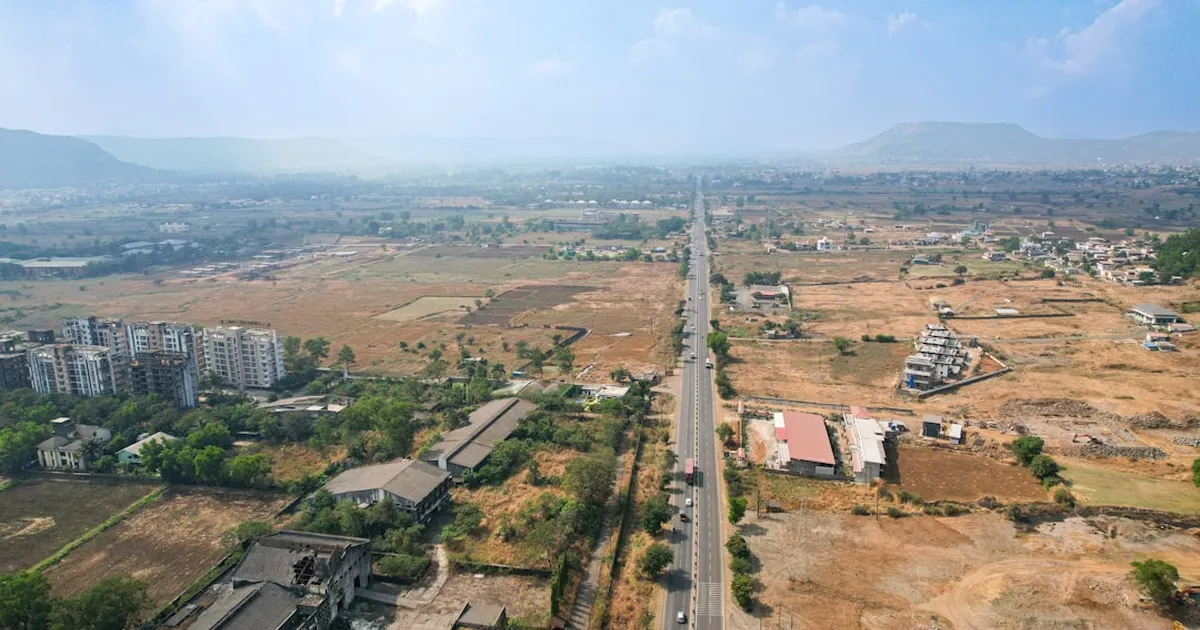
Faridabad–Jewar Expressway 32-Km Spur To Connect NCR With Yamuna Expressway Corridor Boosting Real Estate In Faridabad And Greater Noida
Government approves ₹3,630 crore 32-km Faridabad-Jewar Expressway with 11-km elevated section. Jewar Airport connectivity in 20 minutes. Real estate impact...
 News
News
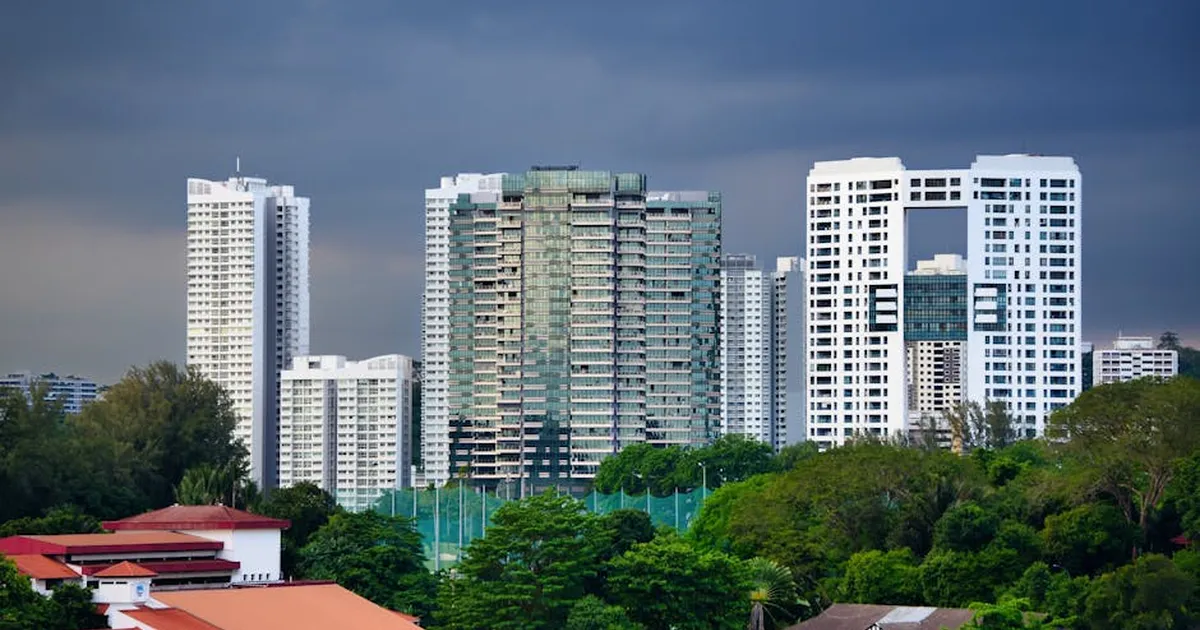
Noida International Airport Jewar Drives 121% Price Surge In Greater Noida Since 2023 As Luxury Housing Corridors Along Expressway Attract HNIS And NRIS In 2026
Noida International Airport (Jewar) inaugurated 28 March 2026. Greater Noida prices up 98% since 2020. Yamuna Expressway sectors surge 140%+. NRI demand...
 News
News
Gulshan Group Partners With IHCL To Invest ₹1,000 Crore In Taj Hotel And Taj Branded Residences On Noida Expressway Sector 129
Gulshan Group partners with IHCL to develop ₹1,000 crore Taj Hotel & branded residences in Noida Sector 129. 57-floor mixed-use tower with 150-room hotel &...
 News
News
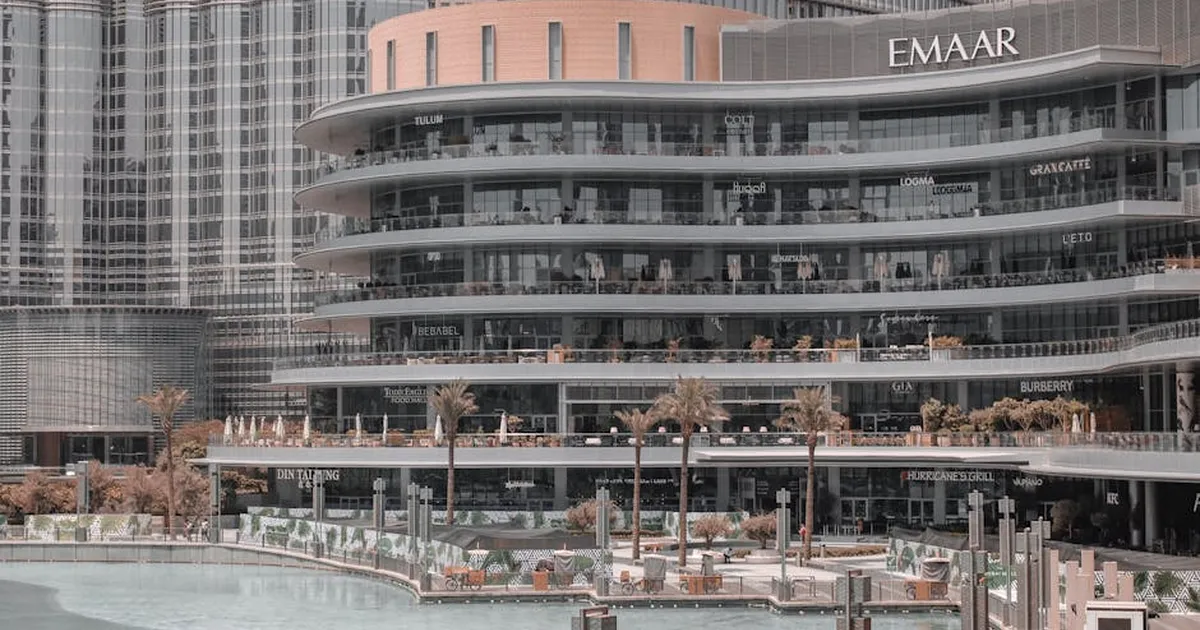
Emaar India Launches Urban Ascent Luxury Residential Project In Sector 112 Gurugram On Dwarka Expressway With 3 And 4 BHK Apartments
Emaar launches Urban Ascent in Sector 112 Gurugram on Dwarka Expressway. 816 apartments, 3 & 4 BHK, ₹15,900/sqft pre-launch, RERA approved, possession Feb...