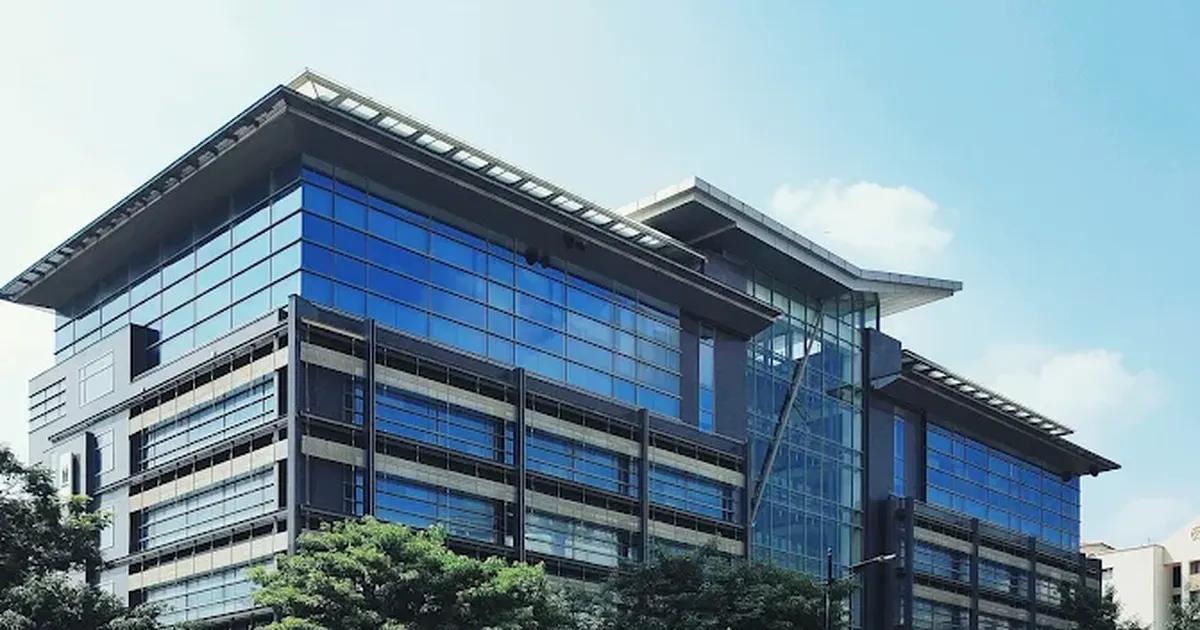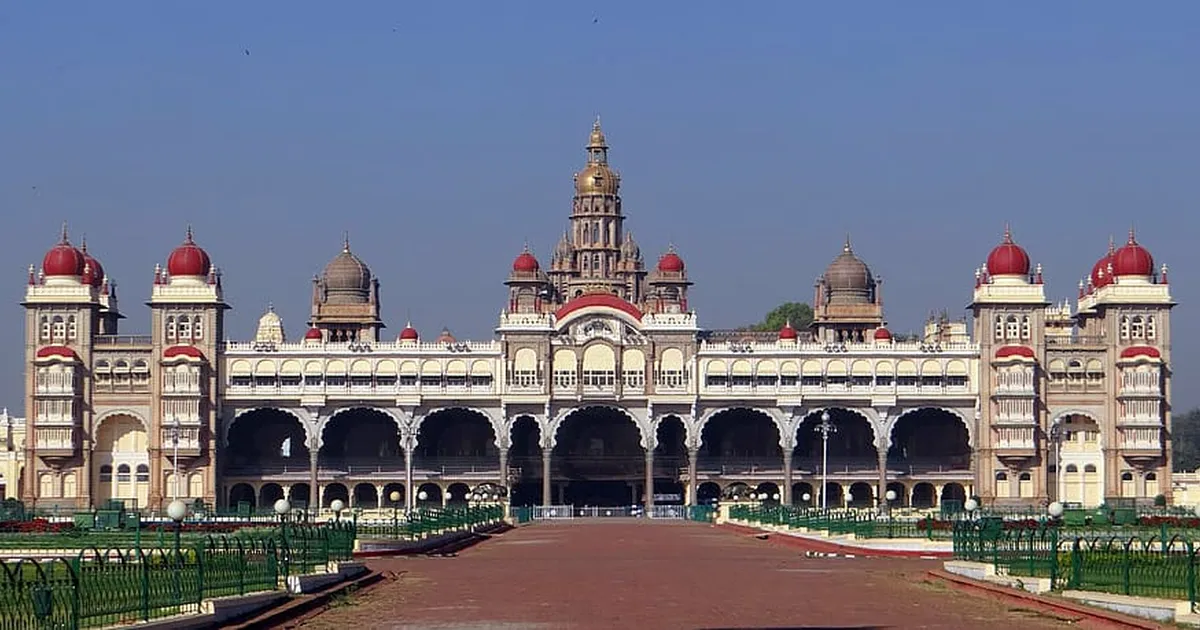
Photo by pranauthi basavaraju via Google Places
Mysuru

About Mysuru Real Estate
Mysuru is not trying to be Bengaluru. That distinction — and the city's comfort with its own identity — is exactly what makes it interesting for property buyers right now. The Cultural Capital of Karnataka sits 145 km southwest of Bengaluru, connected by a 10-lane expressway that has compressed travel time to roughly 75–90 minutes. That single infrastructure fact has rewritten the demand story here.
The city's economic base runs wide. Infosys and Wipro operate major campuses at Hebbal Electronic City. L&T, BEML, and the Kadakola Industrial Area anchor manufacturing employment. Tourism, education (University of Mysore, JSS University), and a growing ESDM sector round out the picture. No single employer dominates, which makes the market more resilient than a pure IT town. Based on RealtyPromoo research, residential property prices in Mysuru rose approximately 53% in 2024 alone — a sharp acceleration driven by Bengaluru professionals seeking affordable alternatives. The longer-term picture shows roughly 300% cumulative appreciation over the past decade, with a consistent annual run rate of around 8%. The market is currently in a growth phase, not a correction — though the pace of 2024 is likely to moderate into steadier 8–10% annual gains through 2026–27.
Why Invest in Mysuru
The arithmetic is straightforward. A fixed deposit gives you 6.5–7.5% annually. Gold has historically returned 8–10% over long cycles. Mysuru residential property, by contrast, has delivered 25–59% appreciation over three to five years in localities like JP Nagar, and the infrastructure pipeline still has significant runway. That's before you factor in rental income.
Three infrastructure catalysts are doing the heavy lifting:
- Bengaluru–Mysuru Expressway (NH-275): Fully operational 10-lane expressway. Travel time from Mysuru to Bengaluru city centre is now approximately 75 minutes under normal conditions. This single project has been the single biggest driver of demand from Bengaluru-based buyers and professionals.
- Mysuru Airport Expansion: Mysuru Domestic Airport (IATA: MYQ) on Mandakalli Road is undergoing capacity expansion. More flight connections will raise the city's profile for NRI buyers and business travellers, and areas along Nanjangud Road and Kadakola are already seeing anticipatory price movement.
- Mysuru Metro (Phase 1 — Planned): A planned metro corridor connecting Hebbal, Vijayanagar, and Bannimantap is in the proposal and DPR stage. No construction start date has been officially confirmed as of mid-2026. Investors should treat this as a medium-term catalyst, not an imminent one — metro timelines in Indian Tier-2 cities routinely slip.
- 150-Acre Film City near Nanjangud: A large-scale film production facility is in the planning pipeline near Nanjangud Road. If it materialises on schedule, analysts project a minimum 5% additional price uplift in surrounding areas. But this is a speculative catalyst — verify project status before buying purely on this thesis.
- Multi-Modal Logistics Park and Peripheral Ring Road (PRR): The PRR is creating new nodal growth zones on the city's outskirts, particularly along Hunsur Road and Bannur Road corridors.
On the rental side, yields in Hebbal and Vijayanagar run at approximately 3–4% gross — modest by metro standards but meaningful when combined with capital appreciation. The overall investment case rests on appreciation more than yield, so buyers looking purely for rental income should calibrate expectations accordingly.
Price Trends
Here is how current pricing stacks up across Mysuru's key residential localities, based on RealtyPromoo market research:
| Locality | Current Avg Price (₹/sqft) | 1-Year Change (%) | 3-Year Change (%) | Budget Segment |
|---|---|---|---|---|
| JP Nagar | ₹6,200 | +7.8% | +25.3% | Mid to Premium |
| Vijayanagar (1st–2nd Stage) | ₹6,500–₹8,000 | +8–10% | +28–35% | Mid to Luxury |
| Vijayanagar (3rd–4th Stage) | ₹4,500–₹5,500 | +8% | +22–28% | Affordable to Mid |
| Hebbal | ₹3,500–₹4,700 | +6–8% | +20–25% | Affordable |
| Gokulam | ₹5,500–₹7,500 | +7–9% | +22–30% | Mid to Premium |
| Kuvempunagar | ₹5,000–₹6,500 | +7% | +20–25% | Mid |
| Yadavagiri | ₹6,000–₹8,500 | +8–10% | +25–32% | Premium |
| Bannur Road | ₹2,800–₹3,800 | +10–15% | +30–40% | Budget to Affordable |
| Hunsur Road | ₹2,500–₹3,500 | +10–12% | +28–38% | Budget |
| Bogadi Road / Dattagalli | ₹4,000–₹5,500 | +8–10% | +22–30% | Affordable to Mid |
The fastest-appreciating corridors right now are Bannur Road and Hunsur Road — both peripheral growth zones where land prices are still accessible but infrastructure is catching up fast. JP Nagar has delivered 59% appreciation over five years, making it one of the city's most consistent performers. Established localities like Yadavagiri and Gokulam are appreciating at a slower but steadier pace; they're priced for what they are — well-serviced, mature neighbourhoods. The inner-city pocket of Srirampura is worth watching: apartment prices actually dipped around 6–7% year-on-year recently, a reminder that not every micro-market moves in lockstep with the headline number.
Top Localities for Homebuyers
Vijayanagar (Stages 1–4)
Vijayanagar is Mysuru's most complete residential address. Wide roads, parks, JSS Public School, Vidyavardhaka College of Engineering, and the Vijayanagar Shopping Complex — everything a family needs is within walking distance or a short auto ride. Stages 3 and 4 offer more space and lower density than the older core, with prices ranging from ₹4,500 to ₹8,000 per sqft depending on stage and project type. Best for families, professionals working at nearby Infosys and L&T campuses, and anyone who values a genuinely livable neighbourhood over a speculative punt.
Gokulam
Gokulam sits close to Mysuru Palace and has a character that's hard to replicate — yoga studios, heritage bungalows, and a social fabric built over decades. The area is internationally known as a yoga tourism destination, which sustains short-term rental demand from visiting practitioners. Housing ranges from spacious independent homes and villas to modern apartments, broadly in the ₹5,500–₹7,500 per sqft band. Ideal for NRIs, retirees, and buyers who want a premium address with genuine cultural weight rather than a just-built township.
Kuvempunagar
If proximity to education is your priority, Kuvempunagar is hard to beat. The University of Mysore's Manasagangothri campus is here, JSS Hospital is nearby, and Kukkarahalli Lake is a short walk away. Roads are well-maintained and the layout is systematic. Prices run ₹5,000–₹6,500 per sqft. This is a solid choice for families with school and college-going children, and for academics or university employees looking to live close to work.
Yadavagiri
One of Mysuru's oldest prestige addresses. Central location, strong connectivity to the railway station and MG Road shopping belt, and a concentration of elite schools and hospitals. Premium 3 and 4 BHK apartments dominate the new supply here, priced ₹6,000–₹8,500 per sqft. Best suited to high-income families, NRIs seeking a recognised address, and buyers who want established civic infrastructure rather than the risk of a developing corridor.
JP Nagar (Mysuru)
JP Nagar has emerged as the city's most investor-tracked locality over the past five years, with 59% five-year appreciation and a 3% gross rental yield. The area strikes a balance between affordability and access to the Outer Ring Road. New projects from reputed developers are active here, with 2 BHK flats available from roughly ₹70 lakh upward. Good for mid-income homebuyers, young couples, and investors looking for a combination of rental income and capital growth.
Hebbal
Hebbal is the city's industrial and IT employment belt — Infosys, Wipro, and multiple manufacturing units operate in this corridor. That drives consistent rental demand. The airport is approximately 9 km from the locality via NH-150A. Prices are still accessible at ₹3,500–₹4,700 per sqft, and MUDA-approved layouts give buyers clean title options. Best for working professionals, first-time buyers on a budget, and investors targeting the rental market from IT and industrial employees.
Bogadi Road / Dattagalli
A mid-city corridor that has matured steadily over the past decade. Good road connectivity, a mix of apartment projects and independent houses, and prices in the ₹4,000–₹5,500 per sqft range. Dattagalli in particular has seen premium plot transactions cross ₹1 crore for 40x60 sites. Suitable for families wanting a central-ish location without paying Yadavagiri or Gokulam premiums.
Bannur Road
This is Mysuru's most accessible entry point for buyers with budgets under ₹40 lakh. Prices range from ₹2,800–₹3,800 per sqft. The road links to the Bengaluru–Mysuru Expressway, and new plotted layouts are coming up fast. The honest caveat: social infrastructure — schools, hospitals, daily retail — is still catching up. If you can wait 5–7 years for the area to mature, the entry price makes sense. If you need schools and clinics on your doorstep now, look elsewhere.
Hunsur Road
The most affordable corridor in Mysuru's growth story. Prices start around ₹2,500 per sqft. Proximity to the proposed Film City near Nanjangud has put Hunsur Road on investors' radars. Infrastructure is thin right now — this is a long-horizon play. Buyers should verify water supply availability and road quality before committing.
Top Localities for Investors
JP Nagar — Proven Performer
The numbers speak clearly here: 59% appreciation over five years, 7.8% in the last year alone, and a 3% gross rental yield. JP Nagar sits on the Outer Ring Road, giving it connectivity to both the city centre and the expressway corridor. With active new launches from established developers, this is where investors with a 3–5 year horizon should be looking first. Current entry: ₹6,000–₹6,500 per sqft for apartments.
Hebbal — IT and Industrial Rental Play
Hebbal's investment case is built on employment proximity. The Infosys and Wipro campuses at Hebbal Electronic City, combined with the broader Mysore Industrial Area, generate steady rental demand that doesn't evaporate with market cycles. Prices are still in the ₹3,500–₹4,700 per sqft range — well below what comparable IT-adjacent localities fetch in Bengaluru. The airport at 9 km adds long-term optionality. Rental yields here run 3–4%.
Bannur Road — Expressway Corridor Appreciation
Bannur Road is where the Bengaluru–Mysuru Expressway impact is still being priced in. Land and plotted development prices have risen 10–15% year-on-year in parts of this corridor. Entry points under ₹30 lakh for plots still exist. For investors comfortable with a 5–7 year horizon and willing to hold through the infrastructure build-out, the risk-reward looks attractive. Not suitable for buyers needing immediate rental income.
Hunsur Road — Film City Speculative Play
The proposed 150-acre Film City near Nanjangud is the headline catalyst here. Analysts project a minimum 5% additional price uplift once construction begins in earnest. Current prices at ₹2,500–₹3,500 per sqft make the entry cost low. The risk is real though — large entertainment infrastructure projects in India have a history of delays. Investors should size this as a speculative position, not a core holding.
Hootagalli — Industrial Rental Demand
Hootagalli sits adjacent to the Mysore Industrial Area and is attracting gated plot layouts along the Peripheral Ring Road. Rental demand from factory and tech park workers is consistent. Prices are in the ₹3,500–₹4,500 per sqft range for apartments. The area lacks the premium address quality of Vijayanagar or Yadavagiri, but for investors focused purely on yield and capital preservation, the fundamentals are sound.
Bogadi Road — Ring Road Connectivity Upside
Bogadi Road benefits from Outer Ring Road access and is seeing a wave of new apartment launches. The 3–4 year appreciation track record is solid, and the corridor is more mature than Bannur or Hunsur Road, reducing execution risk. Prices at ₹4,000–₹5,500 per sqft offer a middle ground between the high-entry established localities and the speculative outer corridors.
Infrastructure & Connectivity
Road Connectivity
The Bengaluru–Mysuru Expressway (NH-275) is the defining infrastructure event of the past five years for Mysuru real estate. The 10-lane expressway reduces travel time between the two cities to approximately 75–90 minutes under normal traffic conditions — a journey that previously took 3 hours. This has fundamentally changed who buys property in Mysuru. The city's Outer Ring Road (ORR) and the under-development Peripheral Ring Road (PRR) are creating new growth nodes on the city's edges, particularly around Hootagalli, Bannur Road, and Hunsur Road.
Mysuru Airport
Mysuru Domestic Airport (IATA: MYQ) is located on Mandakalli Road, approximately 10–12 km from the city centre. The airport is undergoing expansion to handle increased passenger capacity and add new domestic routes. Srirampura is approximately 9 km from the airport via NH-150A. The expansion is expected to raise the city's connectivity profile for NRI buyers and business travellers, with surrounding localities like Hebbal and Kadakola already seeing anticipatory demand.
Railway Connectivity
Mysuru Junction Railway Station is the main railhead, located centrally and well-connected to Bengaluru (Shatabdi, Mysuru-Bengaluru Express), Chennai, and other major cities. Ashokapuram and Chamarajapuram are secondary stations serving different parts of the city. The proposed Chennai–Mysuru High Speed Rail Corridor is in planning stages and, if implemented, would dramatically cut travel time to Chennai — but this remains a long-horizon project with no confirmed timeline.
Mysuru Metro — Planned, Not Yet Under Construction
A metro rail system for Mysuru — with a proposed Phase 1 corridor connecting Hebbal, Vijayanagar, and Bannimantap — is in the DPR and planning stage as of mid-2026. There is no confirmed construction start date. Investors pricing in metro connectivity as an imminent catalyst should be cautious: metro projects in Indian Tier-2 cities routinely take 3–5 years longer than initial estimates. The project, when it does materialise, will significantly benefit localities along the proposed alignment.
Bus Connectivity
KSRTC Central Bus Station (CBS) on Bengaluru–Nilgiri Road is the main bus terminus, with frequent services to Bengaluru (every 10–15 minutes during peak hours), Coorg, Ooty, Hassan, and other regional destinations. The city's internal MCTD bus network covers most residential localities.
Government Policies & Regulations
Karnataka RERA
All residential projects in Mysuru fall under Karnataka RERA (K-RERA), administered by the Real Estate Regulatory Authority, Karnataka. The official portal is rera.karnataka.gov.in. Always verify a project's RERA registration number on this portal before signing any agreement or making a payment. Karnataka has been relatively active in enforcing RERA compliance compared to some other states, but buyer vigilance remains essential.
Stamp Duty & Registration Charges (as of 2025–26)
Karnataka's stamp duty structure is tiered by property value and applies uniformly across all cities including Mysuru:
- Properties below ₹20 lakh: Stamp duty 2%
- Properties ₹21 lakh to ₹45 lakh: Stamp duty 3%
- Properties above ₹45 lakh: Stamp duty 5%
- Registration charges: 2% of property value (revised from 1%, effective 31 August 2025)
- Additional cess: 0.5% applicable in urban areas
- Total outgo for properties above ₹45 lakh: Approximately 7.5–7.6% of property value
Karnataka does not offer a gender-based concession on stamp duty — the same rates apply regardless of whether the buyer is male or female, which differs from states like Maharashtra and Delhi. The state has moved to a fully digital e-stamping system via the Kaveri 2.0 portal, which allows buyers to generate stamp duty certificates entirely online without visiting a bank. Stamp duty and registration charges paid on new residential properties are eligible for deduction under the Income Tax Act (up to ₹1.5 lakh per financial year).
MUDA — Mysuru Urban Development Authority
MUDA (Mysuru Urban Development Authority) governs layout approvals and land use within the city's planning jurisdiction. MUDA-approved layouts carry stronger title security than unapproved or revenue layouts. Always check whether a plot or layout carries MUDA or DTCP approval before purchase. Note: Historical land title disputes — including a high-profile 4,500-acre claim by the Mysuru royal family affecting certain parcels — are a real risk in some parts of the city. Engage a local property lawyer for title verification, particularly for plots and independent sites.
Living in Mysuru
The quality-of-life case for Mysuru is genuine, not marketing copy. The city has ranked consistently among India's cleanest in the Swachh Survekshan survey — 5th nationally in 2024. Temperatures rarely exceed 35°C, and the city sits at roughly 770 metres elevation, giving it a noticeably cooler and more comfortable climate than the plains of Chennai or the summer heat of Hyderabad.
Water supply is generally adequate within established localities like Vijayanagar, Gokulam, and Kuvempunagar, though some peripheral areas on Bannur Road and Hunsur Road still depend on borewells or water tankers — this is worth checking before buying in outer corridors. Power cuts are infrequent in developed residential zones. Air quality is significantly better than Bengaluru's, with lower particulate pollution thanks to lower traffic density and more green cover.
Crime rates are low by Indian urban standards. The city consistently scores well on safety perception surveys, and this is a real draw for families and retirees. That said, some outer localities like parts of Srirampura have received resident feedback about inadequate street lighting and patrolling at night — standard precautions apply.
The food scene is anchored by the legendary VV Mohalla Food Street, arguably Karnataka's best street food destination outside Bengaluru. Dosas, Mysore pak, and filter coffee at institutions like Mylari Hotel are local rituals. For modern dining and retail, Forum Mysuru Mall on Nazarbad Road and Inox multiplex handle most entertainment needs. The city is not a late-night destination — it quiets down by 10 PM, which residents either love or find limiting depending on their lifestyle.
Culturally, Mysuru is unmatched in Karnataka outside Bengaluru. The Mysuru Palace, Chamundi Hills, Brindavan Gardens, and the annual Dasara festival (a 10-day state event drawing hundreds of thousands of visitors) give the city a living cultural calendar. The yoga tourism economy — centred around Gokulam — brings an international community of practitioners year-round, which has a measurable effect on the social fabric of that neighbourhood.
Weekend getaways are excellent. Coorg (Kodagu) is 120 km away (about 2.5 hours). Ooty is 130 km. Nagarhole National Park is under 100 km. Bengaluru is 145 km. For anyone who values access to nature and hill stations, Mysuru's location is genuinely hard to beat.
Healthcare is reasonably strong for a Tier-2 city. JSS Hospital (Kuvempunagar), Columbia Asia Hospital, Vikram Hospital, and Narayana Hrudayalaya cover most specialist needs. For complex cardiac or oncology cases, Bengaluru remains the reference point — a 90-minute drive rather than a flight, which is manageable.
FAQ
Is Mysuru a good city for real estate investment in 2025–26?
Yes, with calibrated expectations. The city offers a combination of still-affordable entry prices (50–60% below comparable Bengaluru localities), genuine infrastructure catalysts (expressway, airport expansion, PRR), and a diversified employment base. The 2024 price surge of approximately 53% was exceptional and is unlikely to repeat annually. Expect 8–12% annual appreciation in well-located corridors over the next 3–5 years. Investors should focus on RERA-registered projects in localities with confirmed infrastructure rather than purely speculative outer-ring plays.
What is the best area to buy a flat in Mysuru?
For families: Vijayanagar (Stages 1–3) and Kuvempunagar offer the best combination of schools, hospitals, and livability. For investors: JP Nagar has the strongest five-year appreciation track record. For budget buyers: Hebbal and Vijayanagar 4th Stage offer the best value in the ₹35–60 lakh segment. For premium buyers: Yadavagiri and Gokulam are the established prestige addresses.
Mysuru vs Bengaluru — where should I buy?
They serve different purposes. Bengaluru offers higher rental yields (4–5% in IT corridors), deeper liquidity, and a larger resale market. Mysuru offers 50–60% lower entry prices, better quality of life, lower pollution, and a more peaceful living environment. If you work in Bengaluru but can handle a 75–90 minute commute, Mysuru makes financial sense. If you need to be in Bengaluru daily, the commute is a real cost. For retirees and remote workers, Mysuru wins on almost every livability metric.
What is the property price forecast for Mysuru?
Based on current market data and infrastructure pipelines, RealtyPromoo research projects 8–12% annual appreciation in well-located Mysuru localities through 2027. Corridors like Bannur Road and Hunsur Road could outperform this range if the Film City project and PRR infrastructure deliver on schedule. The risk to the downside is infrastructure delay — particularly the metro, which has no confirmed start date — and any slowdown in Bengaluru's IT sector that reduces demand for Mysuru as a commuter alternative.
What is stamp duty in Mysuru?
Stamp duty in Mysuru follows Karnataka's uniform state-wide rates: 2% for properties below ₹20 lakh, 3% for ₹21–45 lakh, and 5% for properties above ₹45 lakh. Registration charges are 2% of property value (revised upward from 1%, effective 31 August 2025). Urban cess of 0.5% applies additionally. Total transaction cost for a property above ₹45 lakh works out to approximately 7.5–7.6% of the registered value. Use the Kaveri 2.0 online portal for exact calculations based on your specific property's guidance value.
Is Mysuru Metro operational?
No. As of mid-2026, Mysuru does not have an operational metro system. A Phase 1 metro corridor connecting Hebbal, Vijayanagar, and Bannimantap is in the planning and DPR stage. No construction start date has been officially confirmed. Buyers should not factor metro connectivity as an imminent benefit — treat it as a potential long-term upside, not a near-term certainty.
What are the risks of buying property in Mysuru?
Four risks deserve honest attention. First, land title disputes — historical claims affecting certain parcels (including the royal family's 4,500-acre claim) create uncertainty in specific areas; always do a 30-year title search with a local advocate. Second, infrastructure execution risk — the metro, Film City, and some road projects face implementation delays; don't overpay on the assumption that a speculative catalyst will arrive on schedule. Third, water supply gaps — peripheral localities on Bannur Road and Hunsur Road may lack reliable piped water supply; verify before buying. Fourth, commercial development lag — Mysuru's commercial real estate market is thin relative to its residential sector, which limits rental yields and resale liquidity compared to Bengaluru.
Which Mysuru localities have the best rental yields?
Hebbal, Hootagalli, and Vijayanagar 4th Stage generate the strongest rental demand, driven by proximity to Infosys, Wipro, L&T, and the broader industrial belt. Gross yields in these areas run approximately 3–4%. Gokulam generates short-term rental income from yoga tourism, which can push effective yields higher for furnished apartments, but this is more variable than standard long-term leasing. For pure yield, Mysuru is not a high-yield market — the investment case is primarily capital appreciation.
Questions & Answers (0)
Terms & Conditions — Q&A
By submitting a question on RealtyPromoo, you agree to these terms:
1. Content Policy
- Your question must be a genuine real estate query.
- No abusive, defamatory, or promotional content.
- No personal contact info, broker referrals, or spam.
- Questions are reviewed by AI and may be edited for clarity, grammar, or politeness before publication.
2. Publication
- Your first name + last initial (e.g., "Rahul S.") will be displayed publicly with the answer.
- Your full name, phone number, and email are never displayed publicly.
- Once published, your question and answer become part of RealtyPromoo's content.
3. Phone & Email
- Your phone number is required so our team can share the answer with you on WhatsApp and assist with your query.
- Your phone number and email are stored securely and may be used by RealtyPromoo or its sales team to contact you regarding your query or related properties.
4. Answer Accuracy
- Answers are generated by AI based on publicly available information and the page context.
- Answers are informational only — not financial, legal, or investment advice.
- Always verify pricing, RERA status, and possession dates with the developer before any transaction.
- RealtyPromoo is not liable for decisions made based on AI-generated answers.
5. Pre-RERA / Pre-Launch Projects
- Some listed projects are pre-RERA / pre-launch. These listings are informational only.
- No booking, sale, or agreement is permitted before RERA registration.
- "Express Your Interest" forms collect contact details for future communication, not advance bookings.
6. Moderation
- RealtyPromoo reserves the right to delete, edit, or refuse to publish any question or answer.
7. Privacy
- Your data is handled per our Privacy Policy.
8. Jurisdiction
- These terms are governed by the laws of India.
- Disputes are subject to the courts of Noida, Uttar Pradesh.
Be the first to ask a question. Get an answer in seconds.
Questions & Answers
This page was compiled by Baliram Birajdar, Principal Market Correspondent using artificial intelligence to research the city's real-estate market, infrastructure, and growth trends. AI assisted in gathering data from public portals and industry reports, and the final content was reviewed by our editor before publishing. We update city profiles as market data and infrastructure announcements evolve.
Sources consulted: State RERA portal data · Industry research reports (Anarock, JLL, Knight Frank, CBRE, Colliers) · Government infrastructure announcements · City development authority publications · Tier-1 news archives · Google Maps local data.
Last reviewed: 12 June 2026 · Spot an error? Let us know